Packaging rules are becoming more detailed, faster, and harder to interpret. This 2026 guide explains how to comply with packaging regulations without treating compliance as a paperwork exercise. It connects legal duties with practical decisions made on factory floors, in design studios, and across supply chains.
Ellen MacArthur, a leading circular economy authority, states, “A circular economy is based on three principles: eliminate waste and pollution, circulate products and materials, and regenerate nature.” Her statement gives packaging teams a useful direction. Compliance should protect consumers, reduce avoidable waste, and support responsible material circulation.
The process begins with identifying every market where the package will be sold. Requirements may cover material composition, recycled content, labeling, recyclability claims, chemical safety, producer responsibility, and reporting. A plastic pouch, for example, may need different documentation from a glass jar. Small details matter.
Keep supplier declarations, test reports, artwork versions, and technical specifications together. Date every record. Review changes before production. A new adhesive can affect recyclability. A revised label can create a misleading claim.
No checklist is perfect. Regulations change. Guidance can be unclear. Even experienced teams sometimes miss a regional requirement. That weakness deserves attention, not concealment.
This guide encourages a cautious, evidence-based approach. Confirm obligations through current government sources and qualified local advisers. Do not rely on an old template or a supplier’s informal assurance. Ask difficult questions early. Can the claim be proven? Is the material actually accepted locally? Does the package perform safely throughout its intended use?
Learning how to comply with packaging regulations is an ongoing discipline. It requires technical knowledge, careful records, and honest review. The goal is not merely passing an inspection. It is building packaging that remains defensible, useful, and responsible.
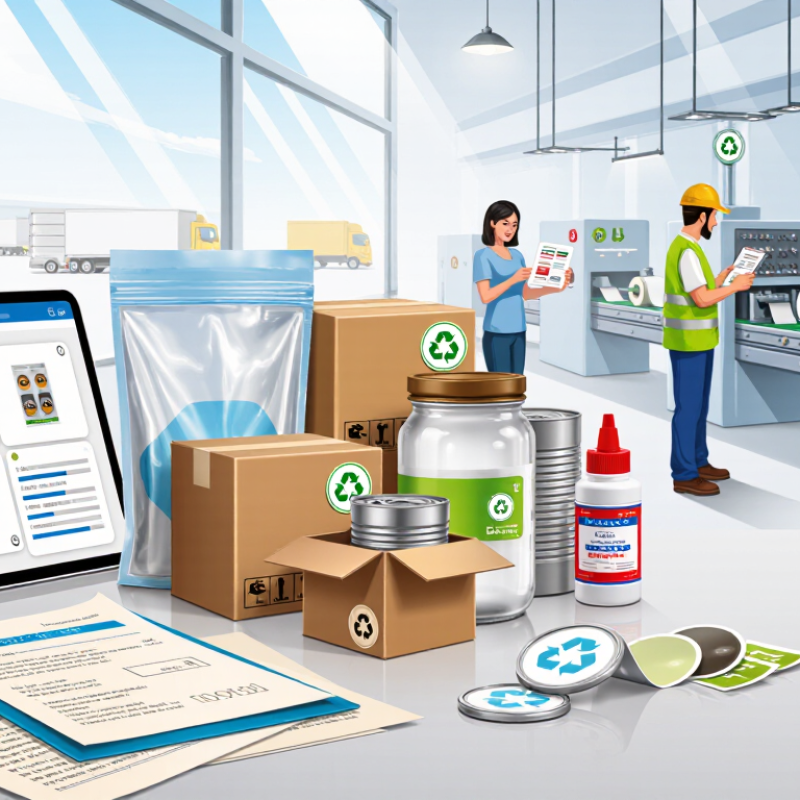
Packaging regulations in 2026 cover more than box design. They address materials, labeling, recyclability, chemical content, waste fees, and producer responsibility. A shipping carton may need accurate material information, clear disposal instructions, and evidence supporting environmental claims. Food, cosmetics, medicines, and children’s products can face additional safety requirements.
Details matter. A package with a plastic window and paper body may require separate disposal guidance. An oversized carton can increase transport emissions and disposal costs. Regulators may also examine recycled content, restricted substances, accessibility, and packaging volume. Requirements differ by market, so a single global template rarely works perfectly.
Practical compliance begins with a packaging inventory. Record each layer, supplier specification, weight, material, and intended market. Keep laboratory reports and artwork approvals together.
Review labels when rules or recycling systems change. Do not rely only on supplier statements. Request current evidence and check ambiguous claims carefully.
Mistakes still happen.
In one realistic review, a team may classify a coated paper sleeve as recyclable without checking local facilities. That assumption can create consumer confusion and financial exposure. A better process includes legal review, technical testing, and feedback from waste operators. Packaging rules matter because they connect product safety, truthful communication, resource use, and public waste systems. Compliance is not merely a document exercise. It influences design decisions long before production begins.
They cover materials, labels, recyclability, chemical content, waste fees, and producer responsibility. Food, cosmetic, medical, and children’s packaging may need extra safety controls.
Markets use different recycling systems, languages, symbols, and reporting duties. A paper package with a plastic window may need separate disposal instructions.
Create a packaging inventory. Record every layer, material, weight, supplier, format, and intended market. Keep the evidence nearby.
Keep supplier declarations, laboratory reports, bills of materials, and artwork approvals. Use matching identification codes. Old evidence can belong to a changed package.
Design should submit specifications before purchasing starts. Compliance reviews labels, claims, symbols, and restricted substances. Procurement checks documents, while quality compares deliveries with approved samples.
Yes. A different ink, adhesive, coating, board grade, or component weight may change classification or reporting data. Small changes matter.
Photograph a packed unit and compare it with declared specifications. Check cartons, sleeves, windows, inserts, coatings, and accessories. Surprises happen.
A quarterly review is practical, even when no change seems visible. Compare invoices, warehouse samples, declared weights, and current recycling information.
Record the gap instead of hiding it. Assign an owner and deadline, request current evidence, and test the next purchase order. The process will not be perfect.
Packaging regulations in 2026 cover far more than the appearance of a package. They may address labeling accuracy, material composition, product safety, recyclability, waste reduction, and environmental responsibilities. To understand how to comply with packaging regulations, businesses should first identify the countries, regions, product categories, and sales channels involved. This helps clarify which rules apply and prevents requirements from being overlooked when products enter new markets.
A practical compliance process should connect packaging design, supplier communication, testing, documentation, and internal review. Teams can create a requirement checklist, confirm that labels and materials meet applicable standards, assess safety and environmental information, and maintain clear records for each packaging version. Regular verification is also important because regulations, materials, and market expectations can change. By assigning responsibilities, reviewing updates, and retaining evidence of testing and approvals, businesses can reduce compliance risks and respond more efficiently to future packaging changes.

 Ariqa Fashion