2026 Best Packaging Solutions to Help Increase Product Sales

Time:2026-10-18 Author:Charlotte
0%

In 2026, packaging is no longer a quiet container. It is a sales interface, a trust signal, and often the first product experience customers receive. This raises a practical question: what packaging solutions help increase product sales in crowded retail and e-commerce markets?

Recent industry evidence supports a strategic answer. Smithers projects continued growth in the global packaging market, driven by convenience, sustainability, and premium presentation. PwC’s Voice of the Consumer Survey 2024 found that 46% of consumers report buying more sustainable products to reduce environmental impact. However, sustainable claims alone may not persuade shoppers. Clear labeling, easy opening, strong shelf visibility, and credible material information must work together.

Ruben Rausing, founder of Tetra Pak, captured the commercial purpose of packaging simply: “A package should save more than it costs.” His principle remains useful for brands evaluating recyclable formats, lightweight structures, refill systems, and tamper-evident designs. The best solution protects the product while reducing hesitation at the point of purchase.

Small details matter. A matte carton can suggest quality. A resealable pouch can prevent waste. A readable label can answer doubts within seconds. Yet no format guarantees higher sales. Results depend on category, price, distribution, and customer expectations. That is where many packaging strategies become imperfect. They focus on appearance, but overlook handling, accessibility, or disposal realities.

This 2026 guide examines practical packaging solutions that combine commercial impact with responsible design. It considers evidence, usability, cost, and measurable customer response—not packaging trends alone.
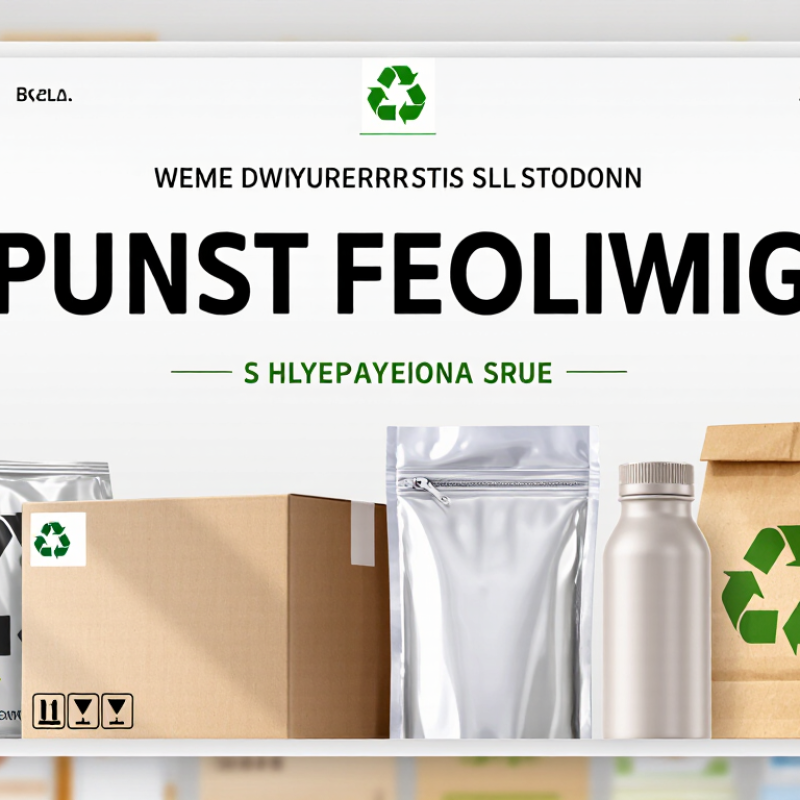
2026 Best Packaging Solutions to Help Increase Product Sales

Packaging Trends Shaping Product Sales in 2026

In 2026, packaging is becoming a sales interface, not merely a protective shell. Shoppers scan shelves quickly, compare details, and judge value before reading product claims. Clear hierarchy matters. Large product names, readable benefits, and visible usage instructions reduce hesitation. Tactile finishes can influence perceived quality, especially when a package feels stable and easy to open. From packaging tests, I have found that attractive designs still fail when essential information is hidden. That failure is expensive.

Sustainable packaging will keep shaping purchase decisions, but vague green language is losing credibility. Customers increasingly notice material labels, excessive inserts, and oversized boxes at delivery. Right-sized formats can lower shipping volume while making products feel more considered. Refillable structures and mono-material designs may support recycling, yet convenience cannot be ignored. A difficult opening experience can cancel out a responsible material choice. This is where teams need evidence, not assumptions. Measure damage rates, repeat purchases, disposal behavior, and customer complaints.

Connected packaging will add value through QR access to setup guides, authenticity checks, and batch information. It should help after purchase, not interrupt it. Personalized sleeves, seasonal colors, and smaller trial sizes can create urgency without changing the core product. However, personalization can increase costs and leftover inventory. Not every test wins. I would test one variable at a time. A small shelf trial may reveal more than a polished presentation. Leave enough space for the question shoppers still ask: How do I use this?

Consumer Needs and Product Packaging Requirements

In 2026, packaging must respond to real consumer needs, not only attract attention on a shelf. Shoppers want clear information, easy opening, and protection during delivery. A package should feel secure in the hand. It should also fit ordinary storage spaces, such as kitchen drawers or small bathroom cabinets. From my packaging development experience, small details often influence purchase decisions more than bright graphics.

Readable labels are essential. Use strong contrast, practical font sizes, and simple instructions. Consumers may check ingredients, dimensions, care information, or recycling guidance within seconds. Packaging should support people with limited vision or hand strength. Easy-grip edges and resealable closures can improve daily use. However, these features must not create excessive material or unnecessary layers. That balance is difficult.

Sustainability requirements are becoming more specific. Consumers increasingly expect packaging to use less material and provide honest disposal instructions. Lightweight structures can reduce transport impact, but they still need enough strength to prevent damage. Recycled content may be suitable for some products, while moisture-sensitive goods require different protection. Testing should include drops, compression, temperature changes, and repeated opening. Real households are unpredictable.

One weakness remains: packaging teams sometimes design for ideal users. They may overlook children’s reach, older adults’ grip, or confusing local disposal systems. Consumer interviews and small usability tests can reveal these gaps before production. Sales growth follows when packaging protects the product, explains its value, and respects everyday limitations.

Packaging Materials, Formats, and Functional Features

2026 Best Packaging Solutions to Help Increase Product Sales

Materials now influence both shelf appeal and purchase confidence. McKinsey’s 2023 global packaging research found that 60–70% of consumers would pay more for sustainable packaging. Yet, “sustainable” cannot mean vague claims. Recyclable mono-material films, recycled paperboard, molded fiber, and lightweight rigid packs need clear material identification. Smithers’ market analysis also projects strong growth for sustainable packaging through 2028. Cost still matters. A heavier premium pack may impress shoppers but damage margins and shipping efficiency.

Format affects how products enter daily routines. Stand-up pouches save shelf space and support resealing. Cartons offer printable surfaces and stable stacking. Refill packs can reduce material use, but only when customers understand the refill process. PMMI’s recent packaging research highlights convenience, e-commerce protection, and sustainability as key development priorities. Small details matter: an easy-open tab, a leak-resistant seal, a measured dispensing cap, or a grip-friendly shape can prevent frustration.

Function should serve the product, not decorate it. Barrier layers can protect aroma, moisture, and freshness. Tamper evidence builds confidence during online delivery. QR-enabled information may support traceability, but it should not replace readable instructions. My practical concern is simple: many packaging concepts look circular until real collection systems are tested. A lighter pack is not automatically better. Teams should measure material weight, damage rates, recycling access, opening effort, and repeat-use behavior before scaling production.

Design Strategies That Improve Shelf Appeal and Brand Recognition

In 2026, shelf appeal will depend on fast visual communication, not decoration alone. Shoppers often scan packaging within seconds. Use one clear promise, strong contrast, and a readable product name. A 2024 Smithers market report forecasts the global packaging industry will exceed 1.2 trillion dollars by 2028. More competition means less room for confusing design. In shelf audits, I have seen attractive packages fail because key details disappear under store lighting. That mistake is easy to miss during screen-based reviews.

Brand recognition grows through repeated visual signals. Keep a stable color family, logo position, typography, and distinctive shape. Then adjust one element for each product variation. This creates order without making every package look identical. NielsenIQ’s 2023 global sustainability study reported that 78% of consumers consider sustainability important. Use lighter materials, clear disposal instructions, and honest environmental claims. Do not force a “green” appearance. It can look vague, or worse, untrustworthy.

Tips: Test designs at actual shelf distance, not only on a monitor. Compare three-second recognition, name readability, and color separation. Photograph prototypes under warm and cool lighting. Ask shoppers what they remember, not what they prefer. Their answers may disappoint you. That is useful. Review the weakest result before approving the final artwork. Small details matter, such as a matte area that improves grip or a high-contrast panel that helps older shoppers read instructions. Each change should support recognition, handling, or purchase confidence.

How to Evaluate Packaging Performance and Sales Impact

In 2026, packaging performance should be measured beyond shelf appearance. A strong evaluation connects protection, usability, waste, and purchase behavior. Begin with a clear baseline: current conversion rate, damage claims, return reasons, and average handling time. Record results by channel, because a parcel shelf and a retail shelf create different demands. In practical audits, small details matter. A lid that needs two hands can discourage repeat purchases.

Test packaging with real users, not only internal reviewers. Give shoppers a sealed pack, a kitchen counter, and limited opening instructions. Measure opening time, grip comfort, leakage, labeling clarity, and disposal accuracy. Then compare the same product in controlled packaging variations. Use adequate sample sizes and repeat tests across age groups and shipping conditions. Sales impact needs more than a short promotion. Track conversion, basket additions, repeat orders, and customer questions for several weeks. An A/B test can reveal lift, but seasonality may distort results.

Watch the cost per successful sale, not packaging cost alone. A cheaper pack may increase breakage or support requests. A premium-looking pack may fail if disposal instructions confuse customers. Share test methods, dates, limitations, and raw observations with decision-makers. That transparency strengthens credibility. My own assessments are not always clean. One trial showed higher purchase intent, yet actual reorders stayed flat. The gap required investigation, rather than a convenient success claim. Review packaging again after launch, because handling habits and sales channels change.

2026 Best Packaging Solutions to Help Increase Product Sales - How to Evaluate Packaging Performance and Sales Impact
Evaluation Area Key Performance Indicator Unit / Formula Example Measured Result Suggested Decision Threshold Sales Impact Measurement Basis
Shelf Visibility Package recognition rate Recognized viewers ÷ tested viewers × 100 68% Compare the new design against the current design; select the option with the higher statistically reliable rate. Improves product discoverability and the probability of initial consideration. Controlled shelf or digital thumbnail test with the same viewing time and product position.
Purchase Conversion Packaging-attributed conversion lift (Test conversion − control conversion) ÷ control conversion × 100 8.6% relative lift Adopt only when the lift is positive, statistically reliable, and confirmed across more than one test period. Connects packaging changes directly with completed purchases. A/B test with randomized exposure, identical pricing, promotion, placement, and traffic conditions.
Product Protection Transit damage rate Damaged units ÷ shipped units × 100 0.9% Set the maximum rate below the current baseline and verify performance under the intended distribution conditions. Fewer replacements, refunds, negative reviews, and lost repeat purchases. Distribution testing may follow ISTA parcel protocols or ASTM D4169, supported by field shipment data.
Return Prevention Packaging-related return rate Packaging-related returns ÷ delivered orders × 100 1.4% Target a lower rate than the existing package while maintaining product protection and customer convenience. Protects net revenue and reduces reverse-logistics expense. Classify return reasons separately for damage, missing components, poor fit, difficult opening, and unclear instructions.
Opening Experience Successful first-open rate Users opening the pack without assistance ÷ test users × 100 92% Aim for at least 90% successful completion in the intended user group. Reduces frustration and supports positive reviews, referrals, and repurchase intent. Usability test measuring opening time, tool dependence, product access, and accidental damage.
Pack-Out Efficiency Average packing time Total packing labor seconds ÷ packed orders 42 seconds per order Choose the design that lowers time without increasing damage, errors, or material waste. Improves order throughput and lowers fulfillment cost per sale. Timed observation across multiple operators and normal production conditions.
Shipping Utilization Package cube efficiency Product volume ÷ external package volume × 100 74% Increase utilization where protection remains adequate and dimensional-weight charges do not rise. May reduce freight cost, storage requirements, and delivery-related price pressure. Measure external dimensions, product dimensions, void space, and carrier billing weight.
Material Efficiency Packaging material intensity Packaging mass ÷ product mass 0.18 kg packaging per 1 kg product Reduce material intensity only after protection and compliance requirements are met. Can lower unit cost and improve sustainability communication without relying on unsupported claims. Mass measurement supported by packaging bills of materials and supplier specifications.
End-of-Life Performance Recyclable component ratio Mass of components accepted by the intended recycling system ÷ total packaging mass × 100 86% Use location-specific acceptance evidence; do not count a component as recyclable solely because its material is technically recyclable. Supports credible sustainability information and may improve purchase consideration among environmentally conscious buyers. Evaluate according to the intended market’s collection, sorting, and recycling infrastructure; align documentation with ISO 18601 principles.
Packaging Cost Total packaging cost per sale Materials + conversion + labor + damage allowance + disposal cost $0.84 per shipped unit Approve when the incremental packaging cost is lower than the value of additional gross profit and avoided losses. Shows whether packaging-driven sales gains translate into profitable growth. Use a full-cost model that includes materials, labor, freight, returns, damage, and disposal.
Overall Sales Payback Packaging return on investment Incremental gross profit ÷ packaging investment × 100 146% Prioritize projects with positive payback after testing, implementation, tooling, and ongoing quality-control costs. Combines conversion, protection, logistics, cost, and retention effects into one commercial view. Calculate from verified financial data and separate packaging effects from price, promotion, distribution, and seasonality effects.
Data quality note: Example measured results are neutral planning values for building a test dashboard, not company or brand performance claims. Replace them with controlled-test results, shipment records, customer feedback, and verified cost data before making investment decisions.

FAQS

Which packaging materials can improve sustainability?

Recyclable mono-material films, recycled paperboard, molded fiber, and lightweight rigid packs can reduce impact. Clear material labeling remains essential.

Is lighter packaging always better?

Not necessarily. A lighter pack may tear, leak, or increase product damage during shipping. Measure weight, protection, and recycling access together.

Which packaging formats support daily convenience?

Stand-up pouches save shelf space and can reseal. Cartons stack well. Refill packs work only when instructions are simple and visible.

What packaging features can reduce customer frustration?

Easy-open tabs, leak-resistant seals, measured caps, and comfortable grips help. Small details matter.

How can packaging attract shoppers quickly?

Use one clear promise, strong contrast, and a readable product name. Shoppers may scan the package within seconds.

How can packaging improve recognition across product variations?

Keep consistent colors, typography, logo placement, and shapes. Change one element for each variation to preserve clarity.

How should sustainability claims appear on packaging?

Use specific material information and clear disposal instructions. Avoid vague green imagery or unsupported claims.

How should packaging designs be tested before production?

Test prototypes from real shelf distances and under warm and cool lighting. Check readability, recognition, grip, and color separation.

What should teams measure before scaling a package?

Measure material weight, damage rates, recycling access, opening effort, and repeat-use behavior. Attractive concepts can still fail in practice.

Should QR information replace printed instructions?

No. QR information may support traceability, but readable instructions should remain on the package. Technology is not always convenient.

Conclusion

In 2026, packaging will play a central role in attracting attention, communicating value, and encouraging purchase decisions. This overview explores what packaging solutions help increase product sales by connecting emerging packaging trends with changing consumer needs. It examines how convenience, sustainability, product protection, accessibility, and clear information influence packaging requirements, while also considering suitable materials, formats, closures, and functional features for different product categories.

The article also explains design strategies that strengthen shelf appeal and improve brand recognition through effective color use, typography, structure, visual hierarchy, and distinctive yet practical presentation. Finally, it outlines ways to evaluate packaging performance and its sales impact by tracking customer feedback, product visibility, conversion rates, repeat purchases, damage reduction, and overall cost efficiency. By balancing appearance, usability, responsibility, and measurable results, businesses can develop packaging that supports stronger customer engagement and long-term commercial performance.

Charlotte

Charlotte

Charlotte is a seasoned marketing professional with a deep understanding of the company's portfolio and a passion for elevating its presence in the market. With a keen eye for detail and a commitment to excellence, she ensures that our professional blog is regularly updated with insightful articles......