Refillable packaging can turn an empty bottle into the start of another use cycle. It may reduce single-use packaging, support customer loyalty, and give brands a visible way to cut material demand. But the benefits depend on practical details: return rates, cleaning, transport distances, and how many times each container is reused. A jar that travels far for washing may not deliver the gains people expect.
The scale of the issue is clear. The OECD’s Global Plastics Outlook reports that packaging generated about 40% of plastic waste in 2019. UNEP’s 2023 report, Turning off the Tap, identifies reuse as one route that could help reduce plastic pollution by 30% by 2040, alongside other system changes. These are projections, not guarantees for every product. As the Ellen MacArthur Foundation, founded by circular-economy expert Ellen MacArthur, puts it: “A circular economy is based on the principles of designing out waste and pollution, keeping products and materials in use, and regenerating natural systems.” That principle helps explain what are the benefits of refillable packaging: fewer new containers may be needed when customers refill or return well-designed packs. Small, repeated actions matter.
Still, refill systems can be inconvenient. A forgotten return, a leaky cap, or an awkward refill station can break the routine. The model is promising, but not automatically better. The following seven tips examine its environmental, operational, and customer benefits—and the trade-offs worth checking before adopting it.
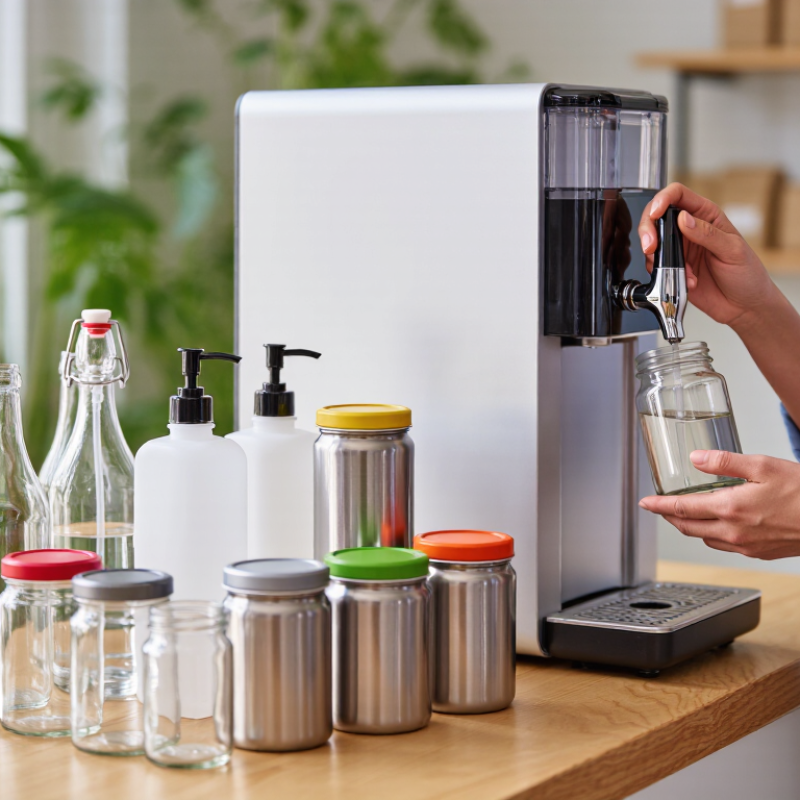
Refillable packaging is a container designed for repeated use, rather than disposal after one purchase. It might be a sturdy bottle, jar, or tin that customers refill at home or return to a shop. The refill itself may come in a lightweight pouch, arrive in a bulk dispenser, or be supplied through a collection-and-cleaning service. The exact setup varies.
Here’s how it works. A customer buys or receives a durable container, uses its contents, then refills it or returns it for inspection and washing. At a refill station, for example, staff may check the container, weigh it, and dispense product from a larger vessel.
In a return system, containers travel back to a facility, where they are cleaned and sent out again. That takes coordination. Clear refill instructions, compatible closures, and reliable cleaning are practical essentials. A leaky cap can undo the convenience quickly.
The environmental benefit also depends on real-world details, such as how many times a container is reused and how far it travels for washing. Refillable does not automatically mean lower impact; the container needs enough repeat uses to justify its materials and transport. And customers may forget. A good system makes returning or refilling simple, while still being honest about the work behind the loop.
Refillable packaging reduces single-use waste by keeping a container in use across multiple product cycles. Instead of discarding a bottle after one use, customers refill it at home or return it for cleaning. That can prevent repeated purchases of new bottles, caps, and labels. Small actions add up. The benefit is greatest when containers are reused many times, not just once or twice.
A sturdy hand soap bottle beside a kitchen sink, for example, can be topped up from a larger refill pack or station. Returning containers to a shop can work too, if collection and washing systems are convenient and reliable. Transport and cleaning still use energy and water. So refillable does not automatically mean lower impact. Packaging must be designed for repeated use, and refill options need to be accessible.
At home, rinse containers only as directed to avoid residue without wasting extra water. Keep the lid, and check that the replacement product fits the dispenser. A refill system may feel inconvenient when the nearest station is far away or containers are heavy. That is a real trade-off. Reliable reuse depends on practical habits and systems that make refilling easier than buying new packaging.
Refillable packaging can conserve materials when a container is reused many times. A durable glass jar or sturdy plastic bottle may replace several single-use containers over its useful life. That matters. Each refill can reduce demand for new packaging, including the raw materials and energy used to make it. The benefit depends on what the container is made from and how often people refill it.
Small habits help keep containers in circulation. Rinse a soap bottle after use, let it dry, and refill it with a compatible product. A well-fitting lid or pump can extend its life and prevent leaks. Refill stations and larger refill packs may also use less packaging per unit of product. But transport and cleaning count too: a heavy container shipped long distances, or washed with excessive hot water, can reduce some resource savings.
Reuse is not automatically better in every situation. Not always. A container that breaks quickly or sits unused saves little. It can also be inconvenient to remember refills, and some designs are harder to clean than others. Choosing a practical container, following care instructions, and reusing it consistently make a measurable difference. The honest test is simple: does it survive enough refill cycles to replace the packaging it would otherwise require?
Refillable packaging can reduce the cost of repeatedly buying containers, especially for products used every week. Customers may keep a durable bottle or jar and purchase only the refill, which often uses less material and takes up less cupboard space. The Ellen MacArthur Foundation’s 2016 New Plastics Economy report estimated that 20% of plastic packaging could be economically attractive for reuse. That is potential, not a guaranteed saving: costs depend on refill prices, container life, and how easy refilling is.
Convenience is practical and visible. A pouch stored beside the sink can replace a bulky bottle; a refill station can let shoppers top up a container during a regular trip. At home, keeping one spare refill may prevent a last-minute store run. Small habits matter.
For businesses, fewer new containers can lower purchasing and storage costs over time. But washing, collection, transport, and quality checks add work. If customers forget containers or refill points are inconvenient, repeat use may fall. A 2023 report by the Reusable Packaging Association describes reuse as an established part of supply chains, while highlighting system design and operations as key factors. The honest test is simple: compare the full cost per use, not just the cheaper-looking refill price.
Refillable packaging can make sustainability visible in everyday use: a customer rinses a sturdy jar, returns it at a nearby shop, and sees it filled again. Start with one product and a container designed for repeated handling. Check that pumps, lids, and labels survive real use, not just a neat display. Keep refill steps simple. Clear instructions matter. Explain where to return the package, how it is cleaned, and what happens if it is damaged. Avoid claiming every refill saves resources; washing and transport also have impacts.
A reliable system needs convenient collection points, enough clean containers, and staff training. Brands can test routes and refill rates before expanding, then adjust if customers keep forgetting or stores run short. Share practical measures, such as the number of containers reused and the average number of refill cycles. Be specific about limits. A refill station may reduce single-use packaging, but only when customers can reach it and containers actually circulate. Some plans will fail. That is useful evidence, not a reason to hide the problem. Ask customers where the process feels awkward, and improve one step at a time. Refilling supports trust when the experience is easy and the claims match what the system can prove.
EU packaging waste recycling rates by material, 2022
Refillable packaging can help brands reduce reliance on single-use packaging and recycling systems. Recycling rates vary by material; the environmental benefits of refill systems also depend on factors such as how often packaging is reused, transport, and cleaning.
Source: Eurostat, “Packaging waste statistics” (2022). Rates show recycling, not the life-cycle impact of refillable packaging.
It is a durable bottle, jar, or tin made for repeated use. Customers refill it at home or return it for cleaning. It is not disposable by default.
Customers use a container, then return it to a shop or collection point. Staff inspect and wash it before filling it again. That takes coordination.
No. The benefit depends on reuse count, washing, and transport distance. A sturdy jar may need many cycles to justify its materials. The numbers matter.
They can, especially for products used every week. Buying a pouch instead of another bottle may cost less and take less cupboard space. Compare cost per use, not just the shelf price.
Keep a spare refill near the sink and use a container with a secure cap. A leaky lid can turn a simple routine into a mess. Easy wins.
They need clean containers, trained staff, clear instructions, and reliable dispensers. Staff may check and weigh a jar before filling it. A station can still feel awkward if it is out of the way.
Track how many containers return and how often each one is reused. Also record cleaning, transport, and damaged containers. A neat display proves little.
Ask where containers are washed and how damaged ones are handled. Reuse can reduce new packaging, but not every setup does. Some plans fail. That deserves an honest review.
What are the benefits of refillable packaging? These systems let people keep and reuse a durable container, then replenish it with a product from a refill pouch, bulk station, or return-and-refill service. By replacing repeated purchases of single-use containers, refillable options can reduce packaging waste and the demand for new materials. Their overall impact depends on factors such as how often containers are reused, how they are cleaned, and how refills are transported.
Refill systems can also conserve resources used to make and dispose of packaging. For customers, buying refills may cost less over time and can mean fewer trips to replace an entire product, while clear, convenient refill instructions make the process easier to adopt. For businesses, offering refillable options can demonstrate a practical commitment to sustainability and encourage more mindful purchasing habits. When designed for durability and easy use, refillable packaging can benefit customers, companies, and the environment.

Ariqa Fashion