Best Materials Used in Skincare Packaging What to Know?

Time:2026-06-25 Author:Liam
0%

In the skincare industry, packaging plays a critical role. Consumers are increasingly aware of sustainability. A study by Smithers Pira estimates that the global skincare packaging market will reach $24 billion by 2025. This growth prompts questions about what materials are used in skincare packaging. Brands must choose wisely.

Plastic remains a popular choice, yet its environmental impact raises concerns. According to a 2021 report, only 9% of plastic waste is recycled. Alternatives like glass and eco-friendly plastics are gaining traction. Recent surveys reveal that 73% of consumers prefer brands that use sustainable materials. This shift indicates a collective demand for change.

Moreover, the materials in skincare packaging influence product preservation and user experience. Using poor-quality materials can lead to degraded formulas and dissatisfied customers. Brands face a challenge: balancing aesthetics, functionality, and sustainability. What materials are used in skincare packaging? The answer is evolving, and brands must adapt or risk falling behind.
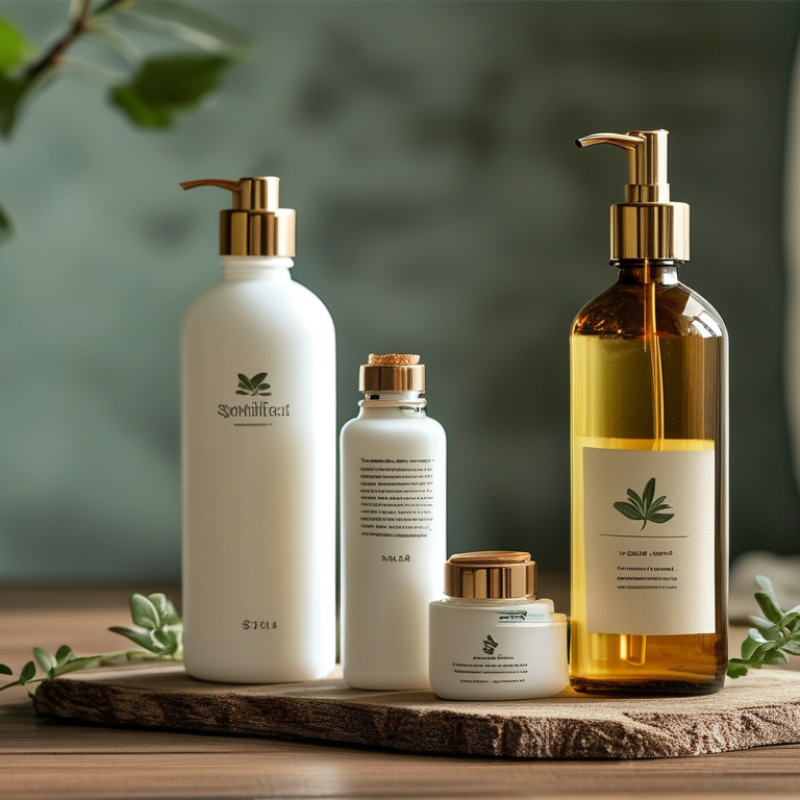
Best Materials Used in Skincare Packaging What to Know?

Types of Materials Commonly Used in Skincare Packaging

Skincare packaging plays a crucial role in product preservation and user experience. The materials used can significantly affect the product's effectiveness and sustainability. Commonly used materials include glass, plastic, metal, and paper, each with its unique advantages and drawbacks.

Glass is known for its premium feel and recyclability. According to industry reports, over 80% of glass packaging can be recycled. However, it is heavier and more fragile than other options. This often leads to higher transportation costs and potential damage during shipping.

Plastic remains the most popular material due to its lightweight and versatility. Yet, it presents concerns regarding environmental impact. A recent study indicated that only 9% of plastic is recycled globally. This statistic highlights the need for brands to consider sustainable alternatives. Metal containers, often used for creams and ointments, offer excellent barrier properties but can be more expensive than plastic.

**Tip:** Always check for the recyclability of packaging when purchasing skincare products. Opt for brands that use eco-friendly materials to reduce environmental waste.

**Tip:** Consider products in airless containers. These not only maintain product integrity but also reduce waste, ensuring you get every last drop.

Choosing the right packaging material involves balancing user experience, product preservation, and sustainability. Each material has its limitations, prompting the industry to innovate continuously.

Best Materials Used in Skincare Packaging

Material Type Advantages Disadvantages Recyclability
Glass Premium feel, excellent barrier properties Heavy, fragile 100% recyclable
Plastic Lightweight, versatile Can leach chemicals, not as eco-friendly Varies by type (PET, HDPE are recyclable)
Aluminum Lightweight, resistant to corrosion May react with some products 100% recyclable
Paperboard Biodegradable, lightweight Less durable, can be affected by moisture Generally recyclable
Bioplastics Derived from renewable resources, biodegradable Higher cost, limited recycling facilities Varies (some compostable)

Benefits of Using Sustainable Materials in Skincare Packaging

Sustainable materials in skincare packaging offer numerous benefits. They are better for the environment and often safer for consumers. Using materials like glass, recycled paper, and biodegradable plastics reduces waste. These options can minimize a brand's carbon footprint. When companies prioritize sustainability, they appeal to eco-conscious consumers. This approach can enhance brand loyalty, as customers increasingly value environmental responsibility.

Tips for switching to sustainable packaging: Consider using glass containers. They are recyclable and often look more upscale. Also, explore compostable materials for items like samples. This gesture reflects commitment and can resonate deeply with users. Lastly, educate consumers about the packaging’s benefits. Making it clear how they contribute to the planet can increase engagement.

There are still challenges in adopting sustainable practices. Not all sustainable materials perform equally well. Some biodegradable plastics can break down too quickly. This inconsistency can lead to waste if not managed properly. Brands must test and refine their options before launching. This responsibility is crucial in building trust and ensuring quality, which is vital in skincare.

Factors to Consider When Choosing Skincare Packaging Materials

When selecting packaging materials for skincare products, several factors come into play. A crucial aspect is the material's ability to protect contents from light, air, and moisture. For instance, dark glass jars effectively shield creams and oils, keeping ingredients stable. This is vital for maintaining the efficacy of active compounds.

Another consideration is sustainability. Eco-friendly options, like recycled plastics or biodegradable materials, are gaining popularity. They appeal to consumers who value environmental responsibility. However, it’s essential to balance sustainability with functionality. Some biodegradable options may not provide the same level of protection as conventional materials.

Cost is also significant. High-quality materials can be expensive, impacting overall product pricing. While many brands aim for premium packaging to reflect the quality, it’s crucial to assess whether the cost aligns with target market expectations. Finding the right balance can be a challenging journey. It requires ongoing reflection and adjustment to meet consumer demands while staying true to brand values.

Impact of Packaging Materials on Product Shelf Life and Effectiveness

The type of packaging used in skincare products plays a crucial role in determining shelf life and product efficacy. Research indicates that light and air exposure can alter active ingredients, leading to reduced effectiveness. For instance, a study published in the Journal of Cosmetic Science highlights that up to 30% of some beneficial compounds can degrade within three months if not properly protected.

Choosing opaque materials can significantly reduce light exposure. Glass and specific plastics effectively shield formulations from harmful UV rays. A report from Packaging Strategies notes that consumers increasingly prefer sustainable materials, such as glass and recyclable plastics, which can also provide better preservation. This preference is not just about sustainability; it directly impacts product longevity.

However, not all materials are created equal. Low-quality plastics can leach harmful chemicals, compromising skin health. A report from the American Chemical Society underscores the importance of selecting reputable materials to avoid chemical interactions. Unfortunately, many brands still opt for cost-effective options, potentially putting consumer safety at risk. Reflecting on these factors can lead brands to rethink not just aesthetics but also efficacy and safety.

Trends in Skincare Packaging: Innovations and Future Directions

The skincare packaging industry is witnessing exciting innovations. According to a recent report, sustainable materials are gaining traction, with 67% of consumers prioritizing eco-friendly packaging. Biodegradable materials, such as plant-based plastics, are increasingly popular among brands. These materials not only reduce environmental impact but also attract eco-conscious customers.

Moreover, advancements in technology are shaping packaging designs. Smart packaging is emerging, integrating features like QR codes. These codes allow consumers to access product information easily. This trend follows findings from a market analysis that revealed 45% of consumers appreciate transparency in product ingredients. However, some brands struggle to balance aesthetics with functionality in their packaging designs, leading to inefficiencies.

Despite progress, challenges remain. Many companies face sourcing issues for sustainable materials. Regulatory compliance can also be a burden, as evolving laws impact packaging choices. As brands drive toward innovation, the industry must address these hurdles for a truly sustainable future in skincare packaging.

FAQS

: What are the benefits of using sustainable materials in skincare packaging?

: They are better for the environment and safer for consumers. They reduce waste and lower carbon footprints.

How can brands switch to sustainable packaging?

Brands can use glass containers, which are recyclable and look upscale. Compostable materials for samples are also great.

Why is educating consumers about sustainable packaging important?

It increases engagement and helps consumers understand how their choices impact the planet positively.

What challenges do companies face with sustainable materials?

Not all materials perform well, and some biodegradable plastics break down too quickly, leading to waste issues.

How can brands ensure the quality of their sustainable packaging?

They must test and refine options before launch. Building trust is crucial for brand reputation in skincare.

What trends are emerging in skincare packaging?

Innovations include biodegradable materials and smart packaging with QR codes for easy access to product information.

Why is transparency in product ingredients important to consumers?

About 45% of consumers value transparency, which builds trust and helps them make informed choices.

What are the challenges of sourcing sustainable materials?

Companies often face sourcing issues and regulatory compliance can complicate packaging decisions.

How does sustainability affect brand loyalty?

Brands prioritizing sustainability tend to attract eco-conscious consumers, leading to enhanced customer loyalty.

What is a potential flaw in innovative packaging designs?

Balancing aesthetics with functionality can lead to inefficiencies and hinder the overall effectiveness of the packaging.

Conclusion

The skincare industry increasingly recognizes the importance of packaging materials, prompting questions about what materials are used in skincare packaging. Commonly used materials include plastics, glass, metal, and sustainable options like biodegradable and recyclable materials. Each type offers distinct benefits, influencing product preservation, consumer appeal, and environmental impact.

Utilizing sustainable materials not only enhances a brand's commitment to eco-friendliness but also attracts environmentally conscious consumers. When choosing packaging, factors such as cost, shelf life, and product interaction should be carefully considered to uphold the integrity and effectiveness of the skincare product. Current trends indicate a shift towards innovative packaging solutions that prioritize sustainability and functionality, shaping the future of skincare packaging.

Liam

Liam

Liam is a dedicated marketing professional with a profound expertise in the industry, where he excels at highlighting the unique advantages of our core products. With a keen understanding of market trends and consumer needs, Liam frequently updates our company’s professional blog, providing......