In today's competitive skincare market, choosing the right packaging is crucial for brand success. According to a report by Packaging Strategies, around 70% of consumers make their purchasing decisions based on packaging alone. This highlights the importance of understanding how to choose skincare packaging that resonates with your target audience.
Effective packaging not only protects the product but also communicates brand values. A study by Mintel found that 64% of consumers prefer brands that use eco-friendly packaging. This trend emphasizes the need for brands to reflect sustainability in their packaging choices. However, it's not simply about aesthetics or sustainability; functionality matters too.
When considering how to choose skincare packaging, brands must balance all these aspects. It's essential to ask questions about materials, usability, and design. Reflecting on potential challenges can also lead to better decisions. Are you incorporating consumer preference effectively? Assessing these factors can lead to more informed choices, fostering brand loyalty and enhancing consumer trust.
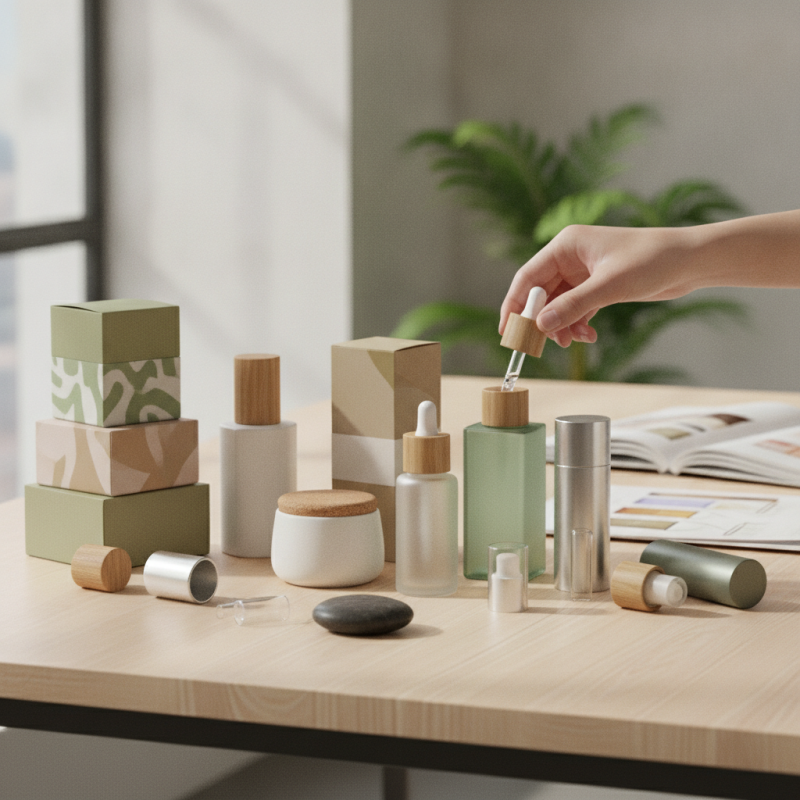
In the skincare industry, your brand's unique value proposition (UVP) is crucial. It defines what sets your products apart from competitors. A study from Mintel indicates that 72% of consumers prefer brands with sustainable packaging. This trend emphasizes the importance of eco-friendly materials. Choosing packaging that aligns with your UVP can attract environmentally-conscious consumers.
Consider the sensory experience your packaging offers. The look and feel of your product can create a strong first impression. In fact, a report by Packaging Strategies reveals that 40% of purchase decisions are made at the shelf. Invest in tactile materials and appealing designs to enhance this experience. Reflect on how your packaging communicates your brand values. Does it resonate with your target audience?
However, not all packaging innovations are successful. Some brands have faced backlash for misleading claims or unsustainable practices. It's essential to evaluate your choices continuously. Collect feedback from consumers to understand their perceptions. This reflection allows for adjustments that strengthen your brand's position in a competitive market. Every decision should enhance your UVP, ensuring trust and loyalty among consumers.
This chart represents the distribution of various skincare packaging materials preferred by consumers. The data illustrates the growing popularity of eco-friendly options alongside traditional materials.
When choosing skincare packaging, the material plays a vital role. Common options include glass, plastic, and metal. Each material has unique benefits and drawbacks to consider. For instance, glass provides an upscale feel and is recyclable, but it can be heavy and breakable.
Plastic, on the other hand, is lightweight and durable, but it can raise sustainability concerns.
Recyclable materials are becoming increasingly popular. They appeal to eco-conscious consumers and can improve brand image. However, not all consumers understand recycling symbols. This can lead to confusion.
When choosing packaging for skincare products, the environmental impact is crucial. Many brands overlook the hidden costs of their packaging choices. Sustainable materials can enhance brand loyalty. Consumers are increasingly aware of environmental issues. They often choose products that reflect their values.
Plastic waste is a significant problem in the skincare industry. Packaging made from post-consumer recycled materials can reduce landfill contributions. Biodegradable options are another alternative, although their efficiency can vary. It's essential to evaluate the entire lifecycle of the packaging. Assessing whether it can be recycled or repurposed is vital.
Moreover, transparency is key. Educating consumers about your packaging choices can foster trust. Many brands fail to communicate the benefits of sustainable packaging effectively. This oversight can lead to consumer confusion. Addressing these gaps can strengthen your brand's reputation and commitment to sustainability.
Packaging design in skincare is more than aesthetics; it reflects brand values and attracts consumers. Understanding your target audience is crucial. Conduct surveys or focus groups to gather insight into their preferences. Are they drawn to eco-friendly materials? Do they prefer minimalist designs? Use this feedback to create packaging that resonates.
Color, shape, and functionality all play significant roles. For instance, younger consumers may appreciate vibrant colors and playful designs. In contrast, a more mature audience might lean towards sophisticated and elegant packaging. Test different concepts to see what connects best. Remember that packaging should not only be appealing but also practical.
Sometimes, even well-researched designs might miss the mark. Regularly reassess consumer feedback to identify trends. Packaging that once seemed perfect might quickly become outdated. Stay open to change and new ideas. This iterative process helps in honing a design that truly speaks to the audience. Use analytics and sales data to guide your decisions; numbers rarely lie.
| Packaging Type | Material Preference | Design Complexity | Sustainability Importance | User Age Group |
|---|---|---|---|---|
| Pump Bottles | Plastic (60%) | Moderate | High (70%) | 25-34 years |
| Glass Jars | Glass (55%) | High | Moderate (50%) | 35-44 years |
| Tube Packaging | Plastic (70%) | Simple | Low (30%) | 18-24 years |
| Pump Sprays | Plastic (65%) | Moderate | High (60%) | 25-34 years |
| Foil Packs | Aluminum (75%) | Simple | Moderate (45%) | 18-24 years |
Selecting the right skincare packaging involves balancing aesthetics and functionality. Effective packaging should capture attention while protecting the product. Research indicates that 72% of consumers’ purchasing decisions are influenced by packaging design. Therefore, creating a visually appealing package is essential in a crowded marketplace.
Functionality is equally important. Packaging must ensure product integrity and ease of use. For instance, air-tight containers can prevent oxidation, maintaining the efficacy of active ingredients. A report from the Global Hygiene Council reveals that over 50% of skincare products fail due to poor packaging that leads to contamination. Brands must prioritize designs that not only look good but also serve a practical purpose.
Tips: Focus on sustainable materials. Eco-friendly packaging resonates with 61% of consumers looking for sustainable options. Test various designs to find the right blend of beauty and usability. Consider your target audience’s preferences. Gathering feedback can highlight areas for improvement, ensuring that both aesthetic appeal and functionality meet market expectations.
: Common materials include glass, plastic, and metal. Each has unique pros and cons.
Glass feels upscale and is recyclable. However, it can be heavy and breakable.
Plastic is lightweight and durable. Still, it raises sustainability concerns for many consumers.
Recyclable materials attract eco-conscious buyers but can confuse others about recycling symbols.
Design reflects brand values and influences consumer attraction. It's crucial to understand audience preferences.
Conduct surveys or focus groups to gather insight on materials and design preferences.
Attractive packaging draws attention, but functionality ensures product integrity and user satisfaction.
Sometimes, even well-researched designs fail. Regularly reassess consumer feedback to stay relevant.
About 72% of consumer decisions are influenced by packaging design. It's essential in a competitive market.
Ensure materials maintain product efficacy, prevent contamination, and align with sustainability goals.
Choosing the right skincare packaging is crucial for brand success, and understanding how to choose skincare packaging involves several key considerations. First, it’s essential to identify your brand's unique value proposition, which will help distinguish your products in a competitive market. Different materials, from glass to biodegradable options, offer varied benefits, including protection and sustainability, making it important to evaluate which aligns with your brand values.
Additionally, assessing the environmental impact of your packaging choices can resonate with eco-conscious consumers. Understanding your target audience's preferences is vital, as their aesthetic and functional desires will guide design decisions. Ultimately, a successful skincare packaging selection balances aesthetics and practicality, ensuring that the packaging not only attracts customers but also preserves the integrity of the product inside.

Ariqa Fashion