In the competitive skincare industry, effective branding is essential. Packaging often serves as the first interaction consumers have with a brand. Renowned packaging expert Lisa Adams once said, "Packaging is not just a container; it tells your brand story." Understanding how to customize skincare packaging for branding can significantly impact consumer perception and loyalty.
Customization goes beyond aesthetics. It reflects the brand’s identity and values. Brands must consider colors, shapes, and materials that resonate with their target audience. For example, eco-friendly packaging not only appeals to environmentally conscious consumers but also sets a brand apart. However, many brands struggle with the balance between creativity and practicality.
Reflecting on past designs can be a learning experience. Some brands find that overly complex packaging can confuse consumers. Striking the right balance is crucial. Ultimately, how to customize skincare packaging for branding is a continuous journey of reflection and adaptation. Each decision shapes the consumer's experience with the brand.
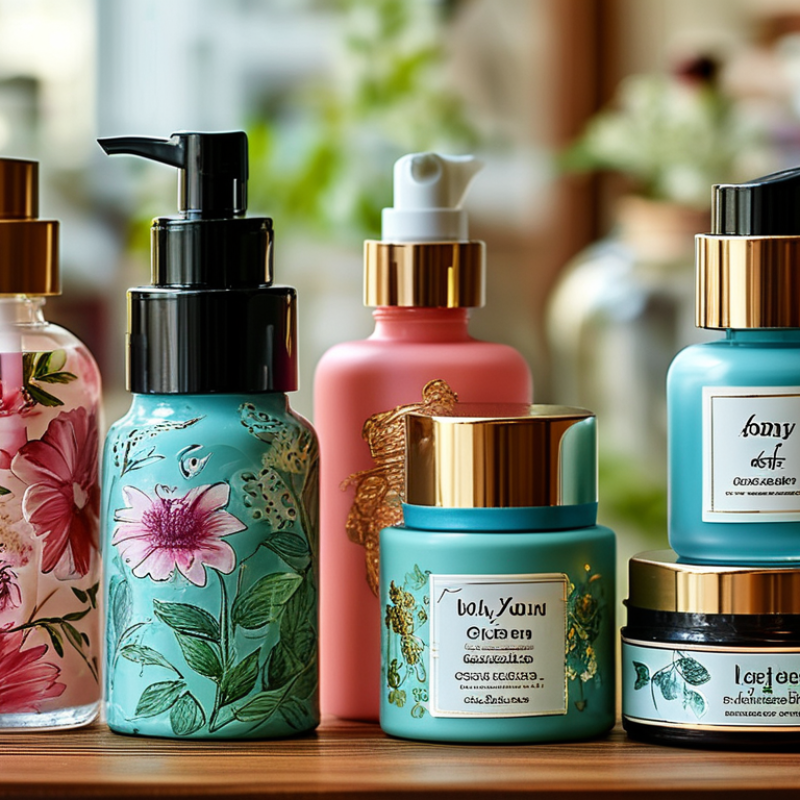
Understanding your brand identity is crucial for effective skincare packaging. Your brand reflects your values, mission, and unique selling points. These elements should resonate with your target audience. For instance, minimalistic designs may appeal to eco-conscious consumers. Bright colors and bold fonts may attract a younger audience. Knowing your audience helps in choosing packaging materials that align with their preferences.
Consider the emotional connection between your brand and consumers. Does your packaging evoke feelings of luxury, trust, or freshness? Packaging shapes perceptions. A sleek, matte finish might suggest sophistication, while vibrant graphics can signal fun. It’s essential to strike the right balance. Testing with focus groups can reveal what works and what doesn’t.
You might find that some designs miss the mark. A successful brand evolves. Gather feedback often and adapt your strategies. Learn what attracts attention and what is easily overlooked. Each iteration can bring you closer to a packaging solution that encapsulates your brand effectively while appealing to your audience's desires.
When it comes to skincare packaging, choosing sustainable materials is crucial. Consumers are increasingly aware of their environmental impact. Eco-friendly options, like recycled cardboard or biodegradable plastics, not only reduce waste but also appeal to conscious buyers. Consider using glass containers, as they are not only recyclable but also elegant and durable. This choice enhances your brand's image.
Functionality in packaging cannot be overlooked. The design should protect the product while being user-friendly. Look at pump dispensers or airless jars, which minimize contamination and improve product longevity. However, balancing sustainability and functionality poses challenges. Some sustainable materials may not perform as well in certain applications. Testing and iterations may be necessary to achieve the right blend.
Emphasizing aesthetic appeal is also important. A visually attractive design will catch the eye on shelves. But remember, it should reflect your brand’s values. Packaging that tells a story can create a stronger connection with customers. Don’t hesitate to involve your target audience in the design process. Their feedback can offer valuable insights.
In the competitive skincare industry, unique design elements in packaging can significantly influence brand perception. A study by Smithers Pira highlights that up to 70% of consumers make their purchase decisions based on packaging design. Visual appeal creates a lasting impression. Colors, patterns, and textures play a crucial role in this process. Brands should pay attention to how these elements convey their identity.
Incorporating eco-friendly materials can also enhance brand image. According to Nielsen, 73% of millennials are willing to pay more for sustainable packaging. This statistic underscores the importance of aligning packaging choices with consumer values. However, there’s a challenge. Transitioning to sustainable options may raise costs and complicate supply chains. Brands must weigh the benefits against potential downsides.
Another aspect is resonance with target demographics. For example, vibrant, playful designs might attract younger consumers, while minimalist styles could appeal to an older audience. However, what works for one demographic may alienate another. Brands should not only focus on aesthetics but also consider the symbolism behind design choices. This approach requires constant reflection and adaptability in an ever-evolving market.
This chart illustrates the significance of various design elements in skincare packaging for effective branding. The data represents the percentage of consumers who consider each element important.
Color plays a crucial role in branding, especially in skincare. The right colors can evoke emotions and influence purchasing decisions. For example, blue often represents trust and calmness, while green signifies natural and organic products. Brands use color psychology to create a visual identity that resonates with their target audience.
Consider how colors are perceived. A vibrant pink might attract a younger demographic, while muted earth tones could appeal to a more mature crowd. Using consistent colors across packaging helps enhance brand recognition. However, it’s essential to avoid cliches. Sometimes, brands stick too closely to stereotypes instead of exploring unique palettes that tell their story.
Experimentation is key. Test different color combinations and gather feedback. Engage with potential customers to see which colors evoke the desired feelings. Reflecting on these insights can shape a stronger visual identity. Ultimately, packaging should not only be aesthetically pleasing but should also communicate the brand's values and mission. Recognizing this balance can elevate your skincare line in a competitive market.
Clear labeling on skincare packaging builds consumer trust. When customers see transparent information, they feel more confident in their choices. They want to know what ingredients are included. Highlighting key benefits on the front can attract attention. Use succinct phrases to convey crucial details. Avoid cluttered text that could confuse potential buyers.
Honesty in labeling matters. Including the product's origin and usage instructions shows commitment to integrity. If packaging contains unfamiliar ingredients, a brief explanation can enhance understanding. This approach demystifies complex formulations. It bridges the gap between brands and consumers, fostering a loyal relationship.
Skincare brands must continuously evaluate their labeling practices. Feedback from users can reveal gaps in understanding. It’s essential to ask questions. Are benefits clearly stated? Is the language accessible? Taking time to review packaging can improve communication. Refining these elements can raise customer expectations and enhance brand perception.
: Brand identity reflects your values and mission. It helps resonate with your target audience through effective packaging choices.
Design like colors and textures shapes feelings. Sleek designs suggest sophistication, while vibrant graphics signal fun.
Gather feedback and adapt. Successful brands evolve. Learn from what attracts attention and what is overlooked.
Unique designs can influence purchase decisions significantly. Up to 70% of consumers rely on packaging design for choices.
The right colors evoke emotions. Blue suggests trust; green signifies nature. Colors should resonate with your audience.
Experimenting with colors and designs can yield better results. Testing preferences leads to stronger connections with consumers.
Yes, many consumers prefer sustainable options. However, this can increase costs and complicate supply chains. Brands must consider trade-offs.
Focus on both visual appeal and meaning behind designs. Consider how different demographics perceive symbols and colors.
Avoid clichés and stereotypes. Explore unique palettes that tell your brand story instead of sticking to common trends.
Regular reflection is needed. Market dynamics change, and adapting designs can enhance consumer engagement and brand loyalty.
Customizing skincare packaging for branding is essential for standing out in a competitive market. To begin, brands must understand their identity and target audience, which will guide every decision in the packaging process. Choosing sustainable and functional materials is crucial not just for environmental considerations, but also for enhancing user experience. Introducing unique design elements can further differentiate a brand, creating a visual identity that resonates with consumers.
In addition, leveraging color psychology can significantly impact brand recognition, as specific colors evoke particular emotions and perceptions. Lastly, clear labeling and informative designs build consumer trust, ensuring that essential information is easily accessible. By focusing on these strategies, brands can effectively learn how to customize skincare packaging for branding that captivates and retains customer loyalty.

Ariqa Fashion