In today's competitive market, how to improve customer experience through packaging is critical for success. According to a report by Smithers Pira, effective packaging can influence 70% of consumer purchasing decisions. This statistic highlights the profound impact packaging has on buyer behavior. Yet, many brands still overlook this crucial aspect.
High-quality packaging not only protects products but also serves as a key marketing tool. A study by McKinsey & Company revealed that 64% of consumers are more likely to recommend a brand with better packaging. It’s essential for businesses to understand that the tactile experience matters greatly. Unique designs or eco-friendly materials can create a memorable unboxing experience. However, are companies truly leveraging this potential?
While many brands focus on aesthetics, practical considerations are often neglected. Packaging must also be functional and easy to open. A frustrating unboxing experience can overshadow even the finest product. In a time when sustainability is vital, considering how to improve customer experience through packaging becomes imperative. Engaging customers doesn't just stem from what is inside the box but also from a thoughtfully designed exterior.
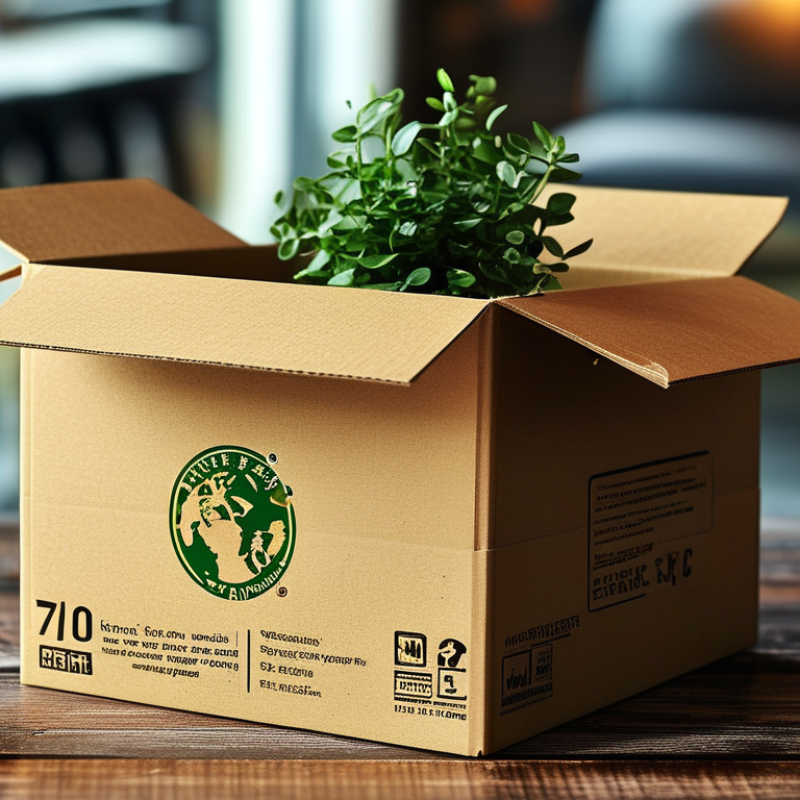
When it comes to packaging design, understanding customer expectations is key. A recent survey by Packaging Strategies revealed that 72% of consumers believe packaging influences their purchasing decisions. This means that brands need to pay close attention to how their products are presented.
One important factor is sustainability. A report by Nielsen shows that 73% of millennials are willing to pay more for eco-friendly packaging. To capitalize on this, brands can focus on using recyclable materials. This not only meets customer expectations but also showcases environmental responsibility.
Another tip is to enhance unboxing experiences. According to a study by Dotcom Distribution, 40% of consumers say a unique packaging design encourages them to share it on social media. Incorporating personalized elements can create excitement. Simple touches, like a thank-you note or a small gift, can leave a lasting impression.
Yet, brands must also consider that excessive packaging can lead to frustration. Many customers dislike wasteful packaging, as highlighted by research from Trivium Packaging, which states that 61% of consumers would avoid brands that over-package products. Balancing aesthetics and functionality is essential in meeting customer needs.
Sustainable packaging is gaining traction. Recent studies show that 72% of consumers prefer to buy from brands that use eco-friendly materials. This preference drives companies to rethink their packaging strategies. Utilizing biodegradable or recyclable materials not only helps the environment but also enhances customer perceptions significantly.
Many businesses still use conventional packaging methods. This decision can negatively impact their image, especially among eco-conscious consumers. In a survey, 61% of respondents indicated they are less likely to purchase from brands that neglect sustainability. This highlights the need for improvement and reflection on packaging choices. Companies should explore options like plant-based plastics or recycled paper to align with consumer expectations.
Moreover, effective communication about sustainable practices is crucial. Customers want to know how their choices contribute to environmental welfare. Providing clear labels and information can foster loyalty and trust. Yet, companies must remain cautious. Misleading claims can lead to distrust and backlash. It is essential to ensure all marketing messages are transparent and truthful.
Creating an emotional connection through packaging involves understanding your brand identity. Packaging acts as a silent ambassador for your brand. It reflects your values, aesthetics, and mission. Strive to tell a story with your packaging that resonates with your audience. This becomes an opportunity to evoke feelings of trust and loyalty.
Consider incorporating unique elements. Use textures or sustainable materials to deepen the connection. Such choices enhance the tactile experience, making it memorable. A vivid color palette can also align well with your brand identity. Think about how these elements can influence emotions. Ensure your choices represent authenticity.
When designing, remember that less is more. Avoid overwhelming designs that dilute your message. Simplifying your packaging can help reinforce your brand’s narrative. Employ clear messaging that speaks directly to your target audience. Always seek feedback for continuous improvement. Customers' reactions may reveal overlooked aspects. Their feelings about your packaging are key to enhancing overall experience.
Packaging plays a crucial role in customer experience. Enhancing functionality can lead to greater satisfaction. For instance, easy-to-open designs can save time and frustration. Customers appreciate packaging that is intuitive and user-friendly. When a package is designed with the customer in mind, it reflects a brand's commitment to quality.
Consider the various aspects of functionality. Does the packaging protect the product effectively? Is it reusable or recyclable? Functional packaging extends beyond mere aesthetics. For example, a simple tear strip can improve convenience. It shows attention to detail and consideration for the consumer's needs. However, not all packages live up to this ideal. Some designs may look attractive but fail in usability.
Think about how packaging impacts perception. When a product arrives in secure and efficient packaging, it builds trust. On the other hand, a difficult unboxing experience can overshadow the product's value. Brands must continually evaluate their packaging strategies. What works today may not resonate tomorrow. Conscious reflection can lead to innovative solutions that enhance the overall experience.
Creating memorable unboxing experiences can significantly enhance customer engagement. Studies show that 72% of consumers share their unboxing experiences online. This highlights the power of first impressions. Effective packaging can turn an ordinary product into an extraordinary moment. Unique designs or innovative materials can make unboxing feel like an event rather than a task.
Details matter in packaging. A simple touch, like customized messages or eco-friendly materials, can resonate with customers. According to a report from Packaging Strategies, nearly 50% of consumers prefer brands that prioritize sustainability. This sheds light on the growing demand for packaging that reflects brand values. Yet, not every unboxing experience meets expectations. Some customers find excessive packaging waste frustrating. Striking a balance between protection and presentation is crucial.
Engaging customers goes beyond aesthetics. Effective use of colors, textures, and even scents can enhance the experience. Research from the Visual Capitalist found that consumers develop emotional attachments through these sensory details. However, businesses must be cautious. Overcomplicated packaging can lead to frustration. An overly elaborate unboxing can detract from the product itself. Brands need to continue listening to customer feedback. Only then can they refine their packaging strategies for maximum impact.
| Tip | Description | Benefits | Example |
|---|---|---|---|
| Use Eco-Friendly Materials | Incorporate biodegradable or recyclable packaging materials. | Appeals to environmentally conscious customers, boosts brand image. | Using recycled cardboard for boxes. |
| Personalized Messages | Include a handwritten note or custom message for the customer. | Enhances emotional connection and customer loyalty. | Thank you card with the customer’s name. |
| Use of Stunning Visuals | Employ vibrant colors and attractive designs on packaging. | Captures attention and reinforces brand identity. | Bright, colorful packaging that stands out on shelves. |
| Thoughtful Unboxing Experience | Design packaging that enhances the unboxing process, with layers or surprises. | Creates a memorable experience that customers want to share. | Custom foam inserts for product security and visual impact. |
| Easy Opening | Ensure the packaging is easy to open without tools. | Reduces frustration and enhances satisfaction. | Tear strips or easy peel seals. |
| Include Samples or Extras | Add free samples or small gifts to the package. | Encourages repeat purchases and demonstrates customer care. | A free sample of a new product. |
| Secure and Protective Packaging | Ensure products are well-protected during transit. | Minimizes damage, boosting customer trust. | Bubble wrap, molded inserts. |
| Interactive Elements | Incorporate QR codes or AR experiences. | Engages customers and encourages product exploration. | QR codes leading to videos or tutorials. |
| Consistent Branding | Maintain uniform branding elements across all packaging. | Builds brand recognition and trust. | Use of logos, fonts, and color schemes consistently. |
| Provide Easy Returns Information | Include clear instructions for returns or exchanges. | Increases customer reassurance and satisfaction. | Return policy printed inside the box. |
: Packaging serves as a silent ambassador for your brand. It reflects your values and mission effectively.
Incorporate unique elements, textures, and vivid colors. Authentic choices evoke feelings of trust and loyalty.
Functional packaging enhances customer satisfaction. Easy-to-open designs save time and frustration for users.
Secure and efficient packaging builds trust. A poor unboxing experience can overshadow a product's value.
Customized messages and sustainable materials resonate with consumers. Details can transform unboxing into a memorable event.
Brands must continually evaluate their strategies. What resonates today may not meet tomorrow's expectations.
Customer feedback reveals overlooked aspects. It’s crucial for refining packaging and improving overall experience.
Striking a balance is vital. Excessive packaging waste can frustrate customers and detract from the product.
Colors, textures, and scents can deepen engagement. These details create emotional attachments with consumers.
Keep designs simple and user-friendly. Overly elaborate packaging may lead to customer frustration.
In the quest to enhance customer experience through packaging, businesses must first understand customer expectations in packaging design, ensuring that it aligns with their needs and preferences. Utilizing sustainable materials not only improves customer perception but also resonates with the growing emphasis on eco-friendliness. Additionally, incorporating brand identity into packaging fosters an emotional connection with consumers, making the product more relatable and memorable.
Another critical aspect of how to improve customer experience through packaging is enhancing functionality. Packaging should protect the product while being easy to use. Finally, creating delightful unboxing experiences can significantly engage customers, turning a simple purchase into a memorable event. By focusing on these elements, companies can effectively enrich their customers' overall experience, fostering loyalty and positive reviews.

Ariqa Fashion