In the evolving landscape of sustainability, businesses face the critical question: what packaging options are recyclable? According to a 2022 report by Smithers Pira, over 31% of packaging material used globally is made from recyclable materials. However, this figure highlights a significant opportunity for improvement. Many brands still struggle to understand which packaging types can be effectively recycled, leading to unnecessary waste.
As we approach 2026, the demand for eco-friendly choices intensifies. Research by the Ellen MacArthur Foundation indicates that 70% of consumers are concerned about packaging waste. This concern drives companies to seek viable, sustainable packaging options. Nevertheless, the journey is complex. Not all recyclable materials are treated equally. Misleading labels and inadequate recycling systems often result in confusion. Businesses must navigate these challenges to make informed decisions.
To make a meaningful impact, it is essential to prioritize transparency in packaging choices. Continuous learning from industry best practices can guide businesses in selecting recyclable options. By doing so, they not only align with consumer values but also contribute to a more sustainable future.
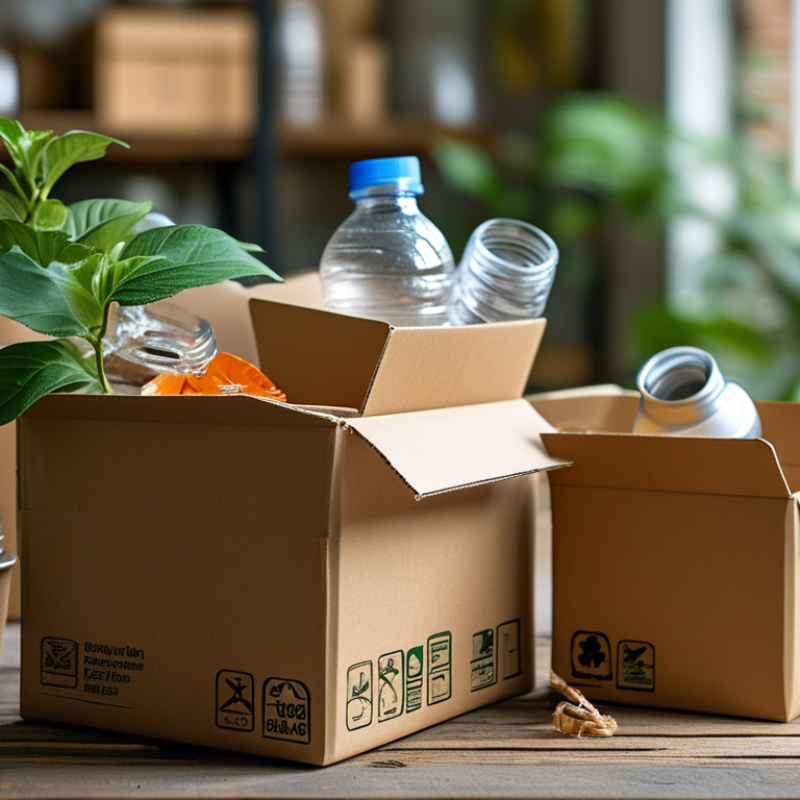
Recyclable packaging has become essential for modern businesses. According to a report by Smithers, the global recyclable packaging market is expected to reach $500 billion by 2026. This growth highlights a shift in consumer preferences towards sustainable options. Businesses need to recognize this trend. Customers now prefer products with eco-friendly packaging. Ignoring this need risks losing market share.
Environmental responsibility is also a key aspect. A study by McKinsey found that 66% of consumers are willing to pay more for sustainable packaging. This statistic shows the potential benefits of choosing recyclable materials. However, not all recyclable packaging options are equally effective. Some materials, like certain plastics, are difficult to recycle. Companies must evaluate local recycling capabilities. They must also improve their supply chains to align with these standards.
The challenge lies in creating efficient systems for collecting and processing recyclable materials. Businesses must invest in education about recycling practices. Moreover, some companies face criticism for greenwashing—promoting false sustainability. Transparency and honesty are vital in this regard. Customers appreciate brands that genuinely strive for sustainability over superficial claims.
When considering recyclable packaging options, evaluating different types of materials is crucial. Common options include paper, cardboard, glass, and plastics. Each has unique properties and environmental impacts.
Paper and cardboard are biodegradable and often recyclable. They can be easily sourced from sustainable forests. However, if contaminated, their recyclability decreases significantly.
Glass is another effective choice. It is durable and can be recycled indefinitely without losing quality. However, its weight can increase shipping costs and energy usage during transportation. On the other hand, many plastics are technically recyclable but often end up in landfills. The complexity of plastic types makes this material tricky; some are easily processed, while others pose challenges.
Reflecting on the choices available is essential. Each material has a trade-off between sustainability and practicality. Businesses must weigh these factors to find the right fit. Exploring options might reveal unexpected insights into their supply chain. Understanding these nuances will empower companies to make more informed, responsible decisions for their packaging needs.
Choosing recyclable packaging options is vital for businesses aiming to reduce their environmental impact. Assessing how your choices affect the planet is crucial. Start by evaluating the materials you currently use. Are they recyclable? How much energy is consumed in their production? These questions determine your overall footprint.
Tips: Look for local recycling programs. Engage with them to discover what materials are accepted. Simplifying your packaging can also enhance recyclability. Consider alternatives like paper over plastic when possible.
It's important to involve your team in discussions about sustainability. Gather feedback on your existing packaging practices. Employees might identify practical options you haven’t considered. Tracking customer preferences helps too. Their buying decisions often reflect a desire for eco-friendly products. Implementing their feedback can make a significant difference.
Being transparent about your practices can build trust. Share your environmental goals with customers. It reflects your commitment to sustainability. However, beware of greenwashing. Ensure your claims are accurate. Customers appreciate honesty and may research your practices. Missteps here can harm your reputation.
When analyzing the cost-effectiveness of recyclable packaging solutions, several factors come into play. A recent study by the European Commission found that the transition to recyclable packaging could save businesses an estimated €10-15 billion annually. However, these savings often depend on initial investment costs and material sourcing. The price of sustainable materials can fluctuate, impacting overall budgets.
One essential aspect to consider is the lifecycle of packaging. According to a report from McKinsey, companies that invest in sustainable packaging can improve their brand image and consumer loyalty. Brands are perceived as more responsible when they adopt environmentally friendly practices. Yet, the transition can be challenging. Switching packaging often involves designing new materials and processes, which requires time and investment. Organizations may face resistance during this transition.
Moreover, compliance with recycling regulations is crucial. Not all recyclable packaging is equally accepted in municipal programs. A report from the Ellen MacArthur Foundation indicates that 25% of recyclable materials end up in landfills due to contamination. Businesses must educate consumers about proper disposal methods. Balancing cost and environmental responsibility will need ongoing assessment. The journey toward sustainability is not straightforward but necessary for future success.
Implementing a recyclable packaging strategy is crucial for modern businesses. According to a recent study by the Ellen MacArthur Foundation, the global plastic packaging market is expected to reach $400 billion by 2025. This highlights the urgent need for businesses to adopt sustainable practices. Adopting recyclable packaging can significantly reduce waste and enhance your brand's reputation.
The first step in implementing this strategy is understanding your materials. Research shows that 73% of consumers expect brands to help them reduce their environmental impact. Using materials like cardboard, biodegradable plastics, and recycled materials can meet these consumer expectations. Brands should also focus on the lifecycle of their packaging, ensuring that it can be easily recycled post-use.
Training employees on recyclable practices can also be beneficial. However, there may be initial resistance to change. Companies should encourage open discussions about sustainability. It's essential to create an environment where employees feel comfortable voicing concerns. Monitoring progress is vital as well. Regular assessments can reveal challenges that need addressing. Identifying areas for improvement can enhance your recycling efforts over time.
| Packaging Material | Recyclability Status | Consumer Preference (%) | Environmental Impact Rating (1-5) |
|---|---|---|---|
| Cardboard | Fully recyclable | 70% | 4 |
| Glass | Fully recyclable | 80% | 5 |
| Plastic (PET) | Partially recyclable | 60% | 3 |
| Aluminum | Fully recyclable | 75% | 5 |
| Biodegradable Plastic | Partially recyclable | 50% | 4 |
: Recyclable packaging meets consumer preferences for sustainability. It prevents loss of market share.
66% of consumers prefer sustainable packaging. This opens opportunities for increased profits with recyclable materials.
Efficient systems for collection and processing recyclables are needed. Local recycling capabilities can vary.
Evaluate current materials. Check if they are recyclable and consider the energy used for production.
Employees can offer insights on packaging practices. Their input can lead to more effective eco-friendly options.
Be transparent about sustainability claims. Honesty builds trust, while inaccuracies can damage reputation.
Explore alternatives like paper instead of plastic. Simplified packaging can improve recycling outcomes.
Engage with local recycling programs. Learn about acceptable materials and best practices in the community.
Yes, customer feedback reflects their values. Responding to preferences can enhance loyalty and brand image.
Reflect on feedback and adapt. Continuous improvement is vital for true sustainability efforts.
In the quest for sustainable business practices, understanding what packaging options are recyclable is crucial. The first step involves recognizing the importance of recyclable packaging, not just for environmental benefits but also for enhancing brand reputation. Businesses should evaluate various recyclable materials, such as paper, plastics, and glass, and assess their environmental impact to make informed choices.
Moreover, analyzing the cost-effectiveness of different recyclable packaging solutions ensures that sustainability aligns with the company's financial goals. Implementing a recyclable packaging strategy in your business operations can not only minimize waste but also foster customer loyalty as eco-conscious consumers increasingly seek brands committed to sustainability. By focusing on these key aspects, businesses can successfully incorporate recyclable packaging into their operations.

Ariqa Fashion