2026 How to Choose Sustainable Skincare Packaging

Time:2026-11-16 Author:Charlotte
0%

In 2026, choosing sustainable skincare packaging means looking beyond a green label. A glass jar may feel reassuring, yet its weight can increase shipping emissions. A lightweight tube may use less material, but its layered construction can complicate recycling. Details matter.

The scale of the problem is clear. The OECD’s Global Plastics Outlook (2022) estimated that only 9% of plastic waste was ultimately recycled worldwide in 2019. UNEP’s Turning off the Tap (2023) reported that 19–23 million tonnes of plastic waste enter aquatic ecosystems each year. These figures are not specific to beauty packaging, but they explain why packaging choices deserve scrutiny. So, why is sustainable skincare packaging important? It can reduce material use and waste, while helping brands meet consumers’ growing expectations for credible environmental claims.

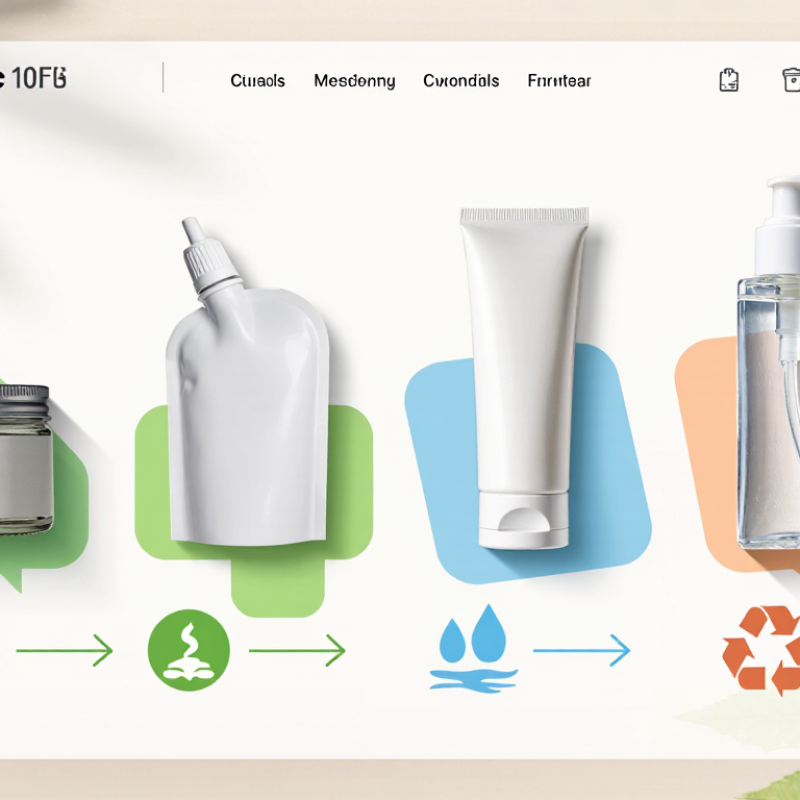
For a practical choice, compare a refill pouch with a durable bottle, check whether a pump can be separated, and ask what local recycling systems actually accept. Recycled content and refillability can help, but neither automatically makes a package better in every situation. Product safety and shelf life count, too. No perfect option exists. That is the uncomfortable part. A lighter pack may be harder to reuse, and a recyclable design may never reach a recycling facility. This guide weighs those trade-offs, so brands and shoppers can choose packaging based on evidence, use, and realistic end-of-life options—not appearance alone.
2026 How to Choose Sustainable Skincare Packaging

What Sustainable Skincare Packaging Means in 2026

In 2026, sustainable skincare packaging is not simply a brown carton or a “recyclable” symbol. It considers material use and emissions from sourcing through disposal. It must also protect formulas from light, air, and contamination. The OECD’s Global Plastics Outlook (2022) estimates that only 9% of plastic waste worldwide was recycled in 2019. That gap makes local collection rules more important than theoretical recyclability. A pump bottle may be technically recyclable, yet its spring, mixed polymers, or residue can complicate sorting. Small details matter.

UNEP’s Turning off the Tap (2023) reports that packaging accounts for about 36% of plastics produced globally. For skincare, lighter containers, verified recycled content where safe and available, and refill formats can reduce demand for virgin material. But “refillable” is not automatically better. Customers must reuse a durable container enough times, and refill packs still need materials and transport. Glass feels substantial in the hand, but its weight can raise shipping emissions. A thin plastic bottle may travel more efficiently. There is no perfect format. Ask suppliers for material composition, recycled-content evidence, and end-of-life guidance for the markets actually served. Then test pumps and seals with the formula. Some trade-offs remain awkward.

Which Environmental Criteria Matter When Comparing Packaging

When comparing skincare packaging, start with the material and the amount used. A lightweight bottle may need fewer resources to ship than a thick glass jar, but weight alone does not tell the whole story. Check whether the package contains recycled material, and ask for the percentage rather than relying on broad claims. Also consider where its raw materials come from and whether the supplier provides clear documentation. That matters.

Next, look at what happens after use. A package is easier to recycle when its body, cap, and label can be separated or processed together. Pumps and mixed-material parts can complicate sorting, even when the main container appears recyclable. Local collection rules matter too. Not always. A refill pouch may use less material, yet it only helps if customers can refill safely and actually do so. Compare the likely number of uses, not just the first purchase.

Transport, product protection, and real-world disposal deserve equal attention. A fragile container that causes product loss can undermine material savings. Ask for evidence behind environmental claims, such as recycled-content records or a packaging life-cycle assessment. These comparisons are imperfect: data may use different assumptions, and local recycling access varies. Keep the assumptions visible, and choose the option that performs well across several criteria rather than chasing one impressive number.

How to Evaluate Materials, Reuse, and End-of-Life Options

Choosing sustainable skincare packaging starts with the product, not the material’s green image. A watery lotion may need a tighter barrier than a dry balm. Check whether the container protects the formula from air, light, and contamination throughout normal use. Glass feels durable, but its weight can increase shipping emissions. Recycled plastic may be lighter, though pigments, pumps, and mixed materials can complicate recycling. Ask suppliers for material composition and recycled-content documentation, rather than relying on vague environmental claims. Small details matter. Fit matters.

Reuse works only when people can refill a package easily and safely. Look for sturdy components, clear refill instructions, and a design that can be cleaned without hard-to-reach corners. A refill pouch may use less material, but its layers may not be accepted in local recycling systems. For single-use packs, check whether the main material is collected and sorted where customers live. Labels, liners, and pumps can affect the outcome. Check local rules. Recycling symbols alone do not guarantee acceptance. The awkward part is that no option wins in every situation; transport distance, local facilities, and actual reuse rates all change the comparison. I would record these assumptions and revisit them, because a neat packaging score can hide an imperfect trade-off.

2026 How to Choose Sustainable Skincare Packaging - How to Evaluate Materials, Reuse, and End-of-Life Options

Packaging option Typical skincare use Material considerations Reuse and refill potential End-of-life considerations What to check before choosing
Glass jar or bottle Serums, creams, oils, and products needing a premium or inert container. Can be made with recycled content and is chemically stable for many formulations. Its weight can increase transport impacts compared with lighter packaging. Durable containers may be reused or refilled if the design, hygiene process, and refill method are suitable for the product. Glass is recyclable in many locations, but acceptance and collection systems vary. Closures, pumps, droppers, and labels may need to be removed or handled separately. Confirm local glass collection rules, packaging weight, product compatibility, and whether the closure can be separated easily.
Aluminum bottle or tin Oils, balms, solid products, and some liquid products with an appropriate lining or dispensing system. Lightweight relative to glass and widely recyclable where metal packaging is collected. Linings and mixed-material parts can complicate recycling. Tins and robust bottles can be reused when they can be cleaned safely and the product format supports reuse. Recycling depends on local facilities and on the container being empty. Pumps, plastic caps, liners, and attached components may not be accepted with the metal body. Check whether the package is aluminum or another metal, whether it has a lining, and how to separate its components.
PET plastic bottle Many lotions, cleansers, and other liquid products. Lightweight and commonly used in packaging. Recycled PET may be available, but suitability depends on product-contact requirements and local supply. Refill can reduce the need for a new primary container if the bottle is designed for repeated use and cleaned according to safe instructions. PET bottles are accepted in many recycling programs, but rules vary. Small parts, dark or heavily pigmented plastic, labels, and pumps can affect sorting or acceptance. Check local acceptance, resin identification, recycled-content documentation, color, label design, and whether the pump separates from the bottle.
HDPE plastic bottle Shampoo, body wash, cleansers, and other products needing a sturdy bottle. Durable and lightweight. Natural or lighter-colored HDPE is generally easier to identify in recycling streams than heavily colored or opaque formats. May be suitable for refill systems when the bottle is durable, compatible with the formula, and easy to clean. Often collected through plastic-bottle recycling programs, but acceptance varies by location. Caps, pumps, labels, and product residue can affect sorting and processing. Verify local rules and component compatibility; favor simple designs that can be emptied and separated without tools.
Refill pouch Refills for lotions, cleansers, and other products that can be transferred into a reusable container. Often uses less packaging material per refill than a rigid bottle, but the actual benefit depends on pouch construction, transport, and how often the main container is reused. Can support reuse when consumers refill a durable primary container multiple times. A pouch is usually a single-use refill package. Many pouches use multiple bonded layers or mixed materials that are not accepted in standard curbside recycling. Some specialist collection options may exist, but availability is location-specific. Ask for the pouch’s full material structure and verify a real local collection route; do not assume a pouch is recyclable because it is lightweight.
Paperboard carton or sleeve Secondary packaging around a bottle, jar, or tube; not generally a stand-alone liquid container. Can reduce the need for some plastic inserts or provide protection and product information. Extra packaging can add material without improving product protection. Usually not designed for repeated use. Its strongest opportunity is avoiding unnecessary layers or using it to protect a reusable primary package when needed. Uncoated paperboard is commonly recyclable where paper and board are collected. Plastic windows, heavy coatings, foil, and product contamination can limit acceptance. Check whether the carton is necessary, whether coatings or windows are present, and whether local paper recycling accepts the construction.

How to use this comparison: Packaging impacts depend on the product, package design, transport distance, reuse rate, and local collection infrastructure. Prioritize product protection, minimal material use, practical refill systems, and clear disposal instructions; confirm recyclability with local waste guidance rather than relying on material type alone.

How to Match Packaging Choices to Skincare Product Needs

2026 How to Choose Sustainable Skincare Packaging

How to Match Packaging Choices to Skincare Product Needs

Sustainable packaging starts with the formula, not the material trend. A watery toner may need a tight pump to limit leaks, while a thick balm can work in a wide-mouth jar. Light-sensitive formulas may need opaque or tinted containers. Oils and active ingredients can also interact with some plastics, so test the formula with the complete package, including its liner and pump. Small compatibility checks matter.

The OECD’s Global Plastics Outlook (2022) reports that packaging generated 40% of global plastic waste in 2019. That figure makes packaging reduction worth examining, but swapping every container for glass is not automatically better. Glass is heavy; transport distance and breakage can change its footprint. Recycled plastic may reduce demand for virgin material, yet it still needs suitable barriers and a reliable supply. Refill systems can help, though only when customers can use them easily and the refill pack protects the product.

Tips: Test samples under heat, light, and repeated use. Check whether local facilities accept the chosen material. Keep parts easy to separate. One awkward detail: a recyclable container means little if its pump cannot be processed. Start with the product’s protection needs, then remove excess material without compromising safe use.

How to Verify Sustainability Claims Before You Buy or Specify Packaging

2026 How to Choose Sustainable Skincare Packaging

Before buying or specifying skincare packaging, ask what each sustainability claim means. “Recyclable” may describe one component, not the complete pack. Request a written materials breakdown for the bottle, pump, cap, liner, and label. Check whether recycled-content figures apply to the whole package or only one part. Ask for supporting documents, such as supplier declarations or current, relevant certifications. Verify their scope and date; a certificate may cover a material, not your finished packaging. That distinction matters.

Tips: Get claims and test results in writing. Confirm the exact packaging format they cover. Ask what disposal route is assumed, and whether local facilities accept the materials. For refill systems, check how many uses are expected and whether the design is practical to clean. Small details count.

Be cautious with words like “compostable” or “plant-based.” Ask which conditions are required and whether those conditions are available to your customers. A package may need industrial composting, while local collection accepts only certain items. Request evidence for performance and disposal claims, not just a polished product sheet. I find this process can feel overly cautious, and documents may still leave gaps. Note what remains unverified, then compare suppliers using the same questions.

FAQS

What does sustainable skincare packaging mean in 2026?

It considers materials, emissions, product protection, and disposal from sourcing onward. A recycling symbol alone proves little.

Is glass always more sustainable than plastic?

No. Glass feels solid, but its weight can increase shipping emissions and breakage. The lighter option may travel better.

Does a recyclable bottle guarantee recycling?

No. Pumps, springs, mixed materials, and leftover product can complicate sorting. Local collection rules matter.

When can refill packaging reduce material use?

It can help when customers reuse a durable container many times. Refill packs still require materials and transport. The details matter.

How should packaging match a skincare formula?

A watery toner may need a secure pump to prevent leaks. A thick balm can suit a wide-mouth jar.

What packaging protects light-sensitive or active formulas?

Opaque or tinted containers can shield light-sensitive formulas. Test oils and active ingredients with the full package, including liners and pumps.

What should be tested before choosing a package?

Test samples under heat, light, and repeated use. Check seals for leaks. One small failure can spoil the comparison.

How can environmental claims be checked?

Ask for recycled-content percentages, supplier records, and life-cycle assessment details. Keep assumptions visible; comparisons can still be imperfect.

What is a practical way to reduce packaging impact?

Start with the formula’s protection needs, then remove excess material. Check local recycling access and whether package parts separate easily. No perfect format.

Conclusion

Sustainable skincare packaging in 2026 means choosing containers and materials with a lower environmental impact across their full life cycle, not simply selecting something labeled “green.” When comparing options, consider material use, recycled content, durability, transport efficiency, and whether local waste systems can realistically process the packaging. Understanding these factors helps explain why is sustainable skincare packaging important: thoughtful choices can reduce waste and resource use while supporting more responsible product design.

The best option also depends on the skincare product. Formulas that need protection from air, light, or contamination may require packaging that balances product safety with reduced material use. Compare refillable, reusable, recyclable, and other end-of-life options, while checking what consumers can actually do with each component. Before buying or specifying packaging, look for clear, specific evidence behind sustainability claims, including material details and disposal instructions. A practical choice is one that protects the product, fits its intended use, and offers credible environmental benefits throughout its life cycle.

Charlotte

Charlotte

Charlotte is a seasoned marketing professional with a deep understanding of the company's portfolio and a passion for elevating its presence in the market. With a keen eye for detail and a commitment to excellence, she ensures that our professional blog is regularly updated with insightful articles......