In 2026, the landscape of luxury skincare packaging has evolved significantly. It represents more than just a vessel for products; it’s a reflection of the brand's identity. Today’s consumers seek not only effective formulations but also exceptional experiences. What makes luxury skincare packaging different is its ability to engage, delight, and sustain attention.
Thoughtful design plays a crucial role. High-quality materials, unique shapes, and intricate details signal luxury. Consumers notice textures and colors that stand out on the shelf. This attention to detail invites feelings of indulgence. Yet, there are challenges. Some brands struggle to balance sustainability with opulence. The quest for eco-friendly materials can sometimes compromise aesthetic allure. This creates a rift between sustainability and luxury.
Moreover, personalization is key. Customization options allow customers to feel special and valued. However, achieving this without sacrificing quality requires careful strategy. As brands navigate trends, they must consider what truly resonates with discerning customers. What makes luxury skincare packaging distinct involves a careful blend of artistry, sustainability, and personal touch. Brands must continue to adapt and reflect on their choices to stay relevant.
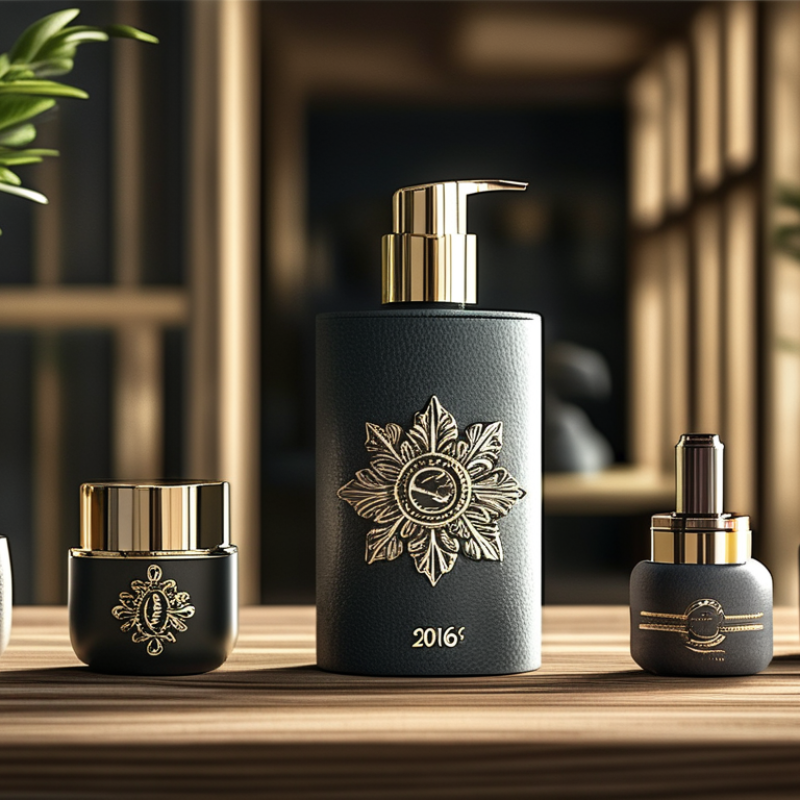
Luxury skincare packaging in 2026 emphasizes simplicity and sustainability. Minimalist designs attract attention. Users appreciate clean lines and understated elegance. Eco-friendly materials become a priority. Choices like recycled glass and biodegradable elements reflect consumer values. Biophilic designs, inspired by nature, add a soothing touch. This trend aligns with a growing desire for harmony.
Color palettes shift towards muted tones, evoking sophistication. Soft pastels and earth tones take center stage. Furthermore, textures play an important role. Soft-touch finishes invite interaction. Consumers enjoy the tactile experience of packaging. However, the challenge remains to balance aesthetics with functionality. Users expect easy-to-use containers that enhance their daily routines.
Personalization is also essential. Customizable features resonate with diverse audiences. Brands that allow consumers to personalize packaging will stand out. Yet, the pursuit of uniqueness may lead to excess. Striking the right balance is key. Clever design is not just about looks; it also involves thoughtful user experience. Addressing these elements creates luxury packaging that truly captivates.
In 2026, luxury skincare packaging is evolving rapidly. Sustainable materials are at the forefront of this transformation. Brands are increasingly focusing on eco-friendly alternatives, such as recycled plastics and biodegradable materials. These choices reflect a growing consumer demand for responsible practices. However, not all brands prioritize sustainability equally, leading to some inconsistencies in the market.
Many companies face challenges with sourcing sustainable materials. Quality and aesthetics can sometimes clash with eco-friendly options. Some packaging solutions may not adequately protect the product or convey a luxurious feel. This can create tension between sustainability and consumer expectations. Yet, creative solutions are emerging. For instance, innovative designs using plant-based inks enhance visual appeal while being kinder to the environment.
Another aspect to consider is the transparency with which brands communicate their choices. Many consumers desire more information about the origins and lifecycle of packaging materials. This demand for transparency can be a double-edged sword. Brands must navigate providing enough information without overwhelming consumers. Striking this balance is crucial for maintaining trust in an increasingly eco-conscious market.
| Material Type | Sustainability Rating | Cost per Unit | Consumer Preference (%) | Impact on Brand Image (%) |
|---|---|---|---|---|
| Recycled Glass | High | $1.50 | 85 | 90 |
| Bamboo | High | $0.80 | 78 | 85 |
| Biodegradable Plastics | Medium | $0.60 | 65 | 70 |
| Post-consumer Recycled Cardboard | High | $0.50 | 72 | 75 |
| Plant-based Inks | High | $0.40 | 70 | 80 |
In 2026, luxury skincare packaging has evolved with advanced technology.
Smart packaging integrates QR codes, NFC chips, and AR experiences.
These innovations enhance consumer engagement and provide valuable product information.
According to a 2025 report from Grand View Research,
the smart packaging market is expected to grow by 27% annually.
Sustainability is also crucial. Many companies use recycled materials and eco-friendly inks to appeal to eco-conscious consumers.
Missteps in sourcing materials can harm brand reputation.
Research indicates that 72% of luxury consumers prefer brands committed to sustainability.
Technology can track supply chains, ensuring transparency and ethical practices.
Yet, there are challenges in balancing aesthetics and functionality.
Packaging must remain visually luxurious while integrating technology.
Striking this balance is essential but often difficult.
The luxury market has a reputation for excellence, but technology can sometimes feel intrusive.
Brands must reflect on how to elevate the packaging experience without compromising their identity.
Luxury skincare packaging is increasingly shaped by evolving consumer trends. According to a 2023 report by MarketsandMarkets, the global luxury skincare market is projected to reach $23.6 billion by 2026, driven by consumer preferences for aesthetically appealing and sustainable designs. Over 70% of consumers now prioritize packaging that enhances product experience. They seek not just efficacy but also visual delight.
Sustainability remains a top priority for consumers. In a recent survey by McKinsey, 66% of participants stated they prefer brands with eco-friendly packaging. This shift compels brands to invest in sustainable materials that reduce environmental impact. Many luxury brands are experimenting with biodegradable and recyclable packaging. However, challenges in sourcing truly sustainable materials still exist. The quest for balance between luxury and sustainability leaves room for improvement.
Another emerging trend is personalization. A study from Accenture reveals that 83% of consumers are attracted to customized products. Packaging plays a crucial role in this experience. Unique designs and tailored labels foster emotional connections. Yet, many brands struggle with scaling these personalized experiences effectively. Finding the right mix of innovation and practicality remains an ongoing challenge for the industry.
In 2026, luxury skincare packaging goes beyond aesthetics. It tells a story that resonates with consumers. Each element of the design should reflect the brand's identity. Materials, colors, and textures all contribute to this narrative. For instance, a matte finish may evoke sophistication, while vibrant colors can suggest vitality. However, choosing the right combination is often a challenge.
Strong branding relies on consistency. Packaging should align with the brand’s core values. For example, using eco-friendly materials can emphasize sustainability. This choice resonates with a growing consumer base that values responsibility. Yet, brands must balance eco-friendliness with luxury. Sometimes, the pursuit of a perfect design can lead to overcomplication. Simplifying elements could enhance the overall identity.
Moreover, storytelling through design requires authenticity. Consumers can sense inauthentic narratives. Brands must genuinely embody their messages. This approach fosters trust and loyalty. Yet, some brands may struggle to find their unique voice. In this evolving landscape, reflection and adaptation are crucial. Brands should consider how they can still innovate while remaining true to their origins.
: Simplicity and sustainability are key. Minimalist designs with clean lines attract attention.
They reflect consumer values. Many consumers prefer recycled and biodegradable options.
There's a shift towards muted tones. Soft pastels and earth tones evoke sophistication.
Textures enhance interaction. Soft-touch finishes invite consumers to engage.
Customizable features resonate with diverse audiences. Unique designs foster emotional connections.
Sourcing truly sustainable materials is difficult. Balancing luxury with eco-friendliness remains a struggle.
Each design element tells a story. Materials, colors, and textures contribute to the brand's narrative.
Consumers can sense inauthenticity. Brands must genuinely embody their messages to foster loyalty.
Consumers prioritize packaging that enhances product experience. Visual appeal and ease of use are essential.
Reflecting on their identity is key. Simplifying designs may enhance overall clarity and consumer connection.
In 2026, what makes luxury skincare packaging different is a confluence of innovative design elements, sustainable materials, and advanced technology. Key design elements focus on minimalism, elegance, and tactile experiences that appeal to consumers' senses. Brands are increasingly opting for sustainable materials to resonate with eco-conscious consumers, which not only enhances the aesthetic value of the packaging but also aligns with ethical practices.
Furthermore, technology plays a crucial role in enhancing the packaging experience, introducing features such as augmented reality that engage consumers in unique ways. With evolving consumer trends shifting towards personalization and storytelling, luxury skincare packaging becomes a canvas for brand identity, allowing brands to convey their narratives effectively. These elements combined ensure that luxury skincare packaging remains not only visually appealing but also meaningful and relevant in a competitive market.

Ariqa Fashion