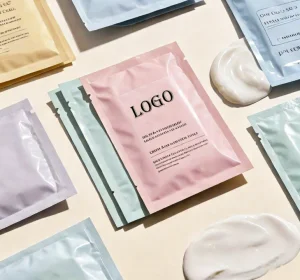
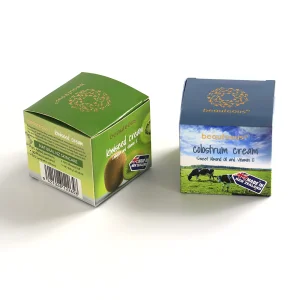
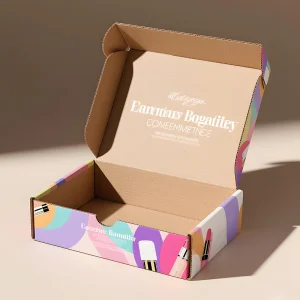
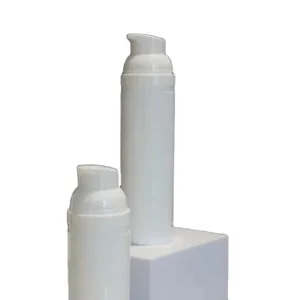
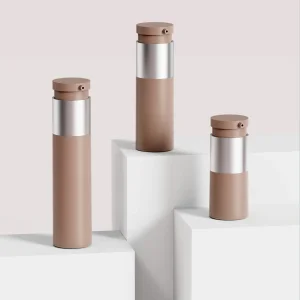
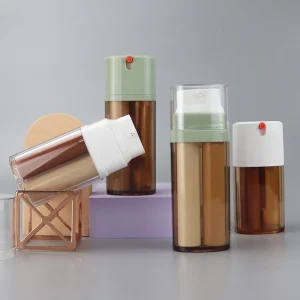
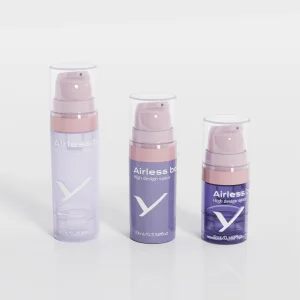
Explore our premium manufacturing lineup. From high-barrier skin care sachets to advanced airless vacuum systems and customized rigid gift packaging, our products represent the synergy between consumer safety regulations and luxury aesthetic appeal.
In the contemporary global packaging landscape, Child-Resistant Packaging (CRP) has evolved from a niche regulatory requirement for pharmaceuticals into a major horizontal compliance demand spanning cosmetics, personal care, nutraceuticals, and home chemicals. As governments worldwide intensify their public safety frameworks, brands must navigate the complex intersection of regulatory compliance, consumer trust, and functional aesthetics.
Child-Resistant Packaging is legally defined as packaging that is significantly difficult for children under five years of age to open within a reasonable time, while remaining accessible to adults and senior citizens. This balance is governed by strict scientific protocols under standard systems such as 16 CFR § 1700.20 in the United States and EN ISO 8317 globally. Leading Chinese factories and exporters have transitioned from basic manufacturing units to engineering hubs, offering turnkey compliance, structural design, and advanced material customization to meet this growing global demand.
The global demand for Child-Resistant Packaging is driven by several key macroeconomic and cultural vectors. Brand owners are no longer searching merely for a box or a bottle; they are seeking strategic partners capable of managing liability through validated, high-integrity physical locking mechanisms. The primary development trends driving this sector include:
Traditional single-action push and pull caps are obsolete. Modern solutions merge squeeze-and-turn, push-and-twist, and locking slide mechanics seamlessly into the container, rendering them inaccessible to kids while keeping them intuitive for seniors.
Brands refuse to compromise on visual positioning. Our factories focus on adapting certified child-resistant closures to sleek cosmetics aesthetics: combining premium double-wall acrylics, glass pipettes, and frosted finishes with robust safety designs.
With global carbon taxation and eco-mandates, utilizing recycled resins (like PCR-PP and PCR-PET) in child-resistant closures has become standard. Structural integrity must be chemically maintained despite resin degradation during reprocessing.
The basic physics of child safety packaging hinges on the cognitive and physical developmental discrepancies between young children and adults. Children under five years old lack the coordination to apply force in two disparate vectors simultaneously (e.g., downward torque combined with lateral twisting) and possess weaker relative pinch strength.
Leading engineering teams focus on three primary mechanical principles:
🔬 The Three Pillars of Modern Safety Locking Systems:
For high-end beauty, personal care, and active dermatological products (such as high-concentration retinol serums or chemical peels containing AHA/BHA), packaging must look premium while remaining safe. Historically, child safety closures looked clinical and institutional. Today, China's elite designers have pioneered sophisticated integration techniques:
By using premium heavy-wall glass bottles, PETG containers, and advanced double-anodized aluminum collars, we hide the inner mechanical teeth of safety caps. Dropper assemblies, for instance, utilize a hidden child-safety lock within a sleek, continuous-thread plastic or bamboo sleeve. The resulting product looks identical to luxury skincare lines but provides complete compliance and liability protection for brands exporting to the US and Europe.
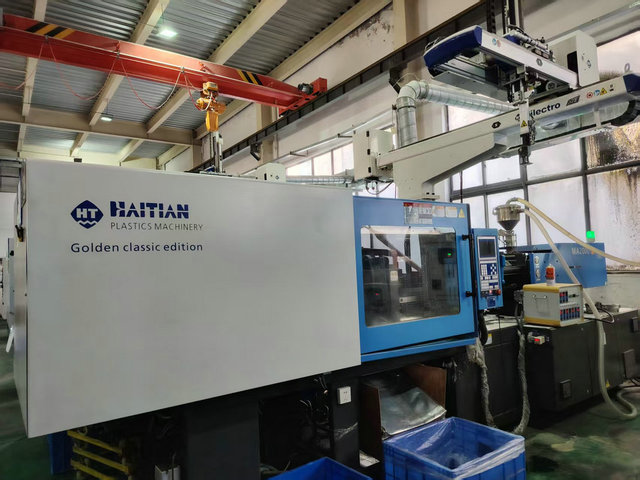
Our production processes utilize state-of-the-art tooling, injection molding, and assembly systems. To ensure contamination-free environments for personal care and premium beauty packaging, our facilities operate under ISO 9001 and high-standard dust-free workshops. View our plant, tooling labs, and assembly divisions below:
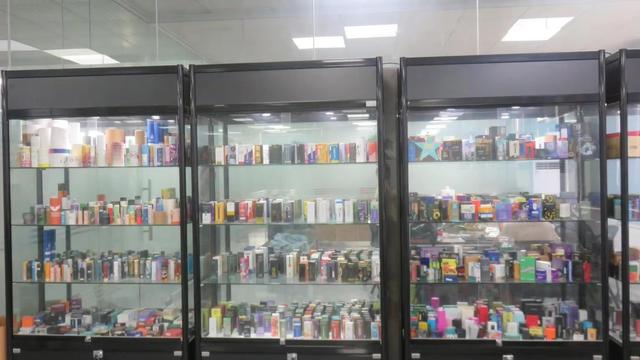
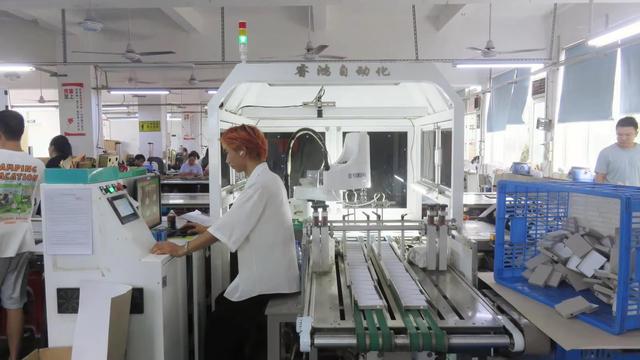
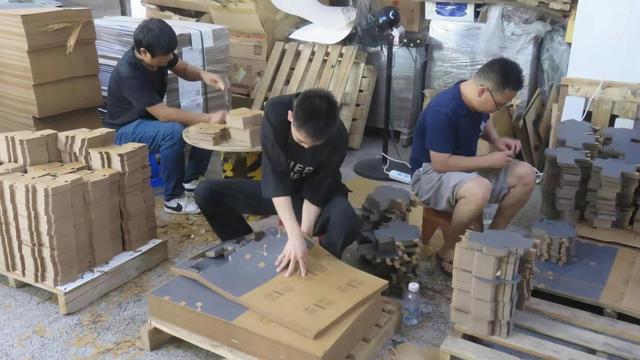
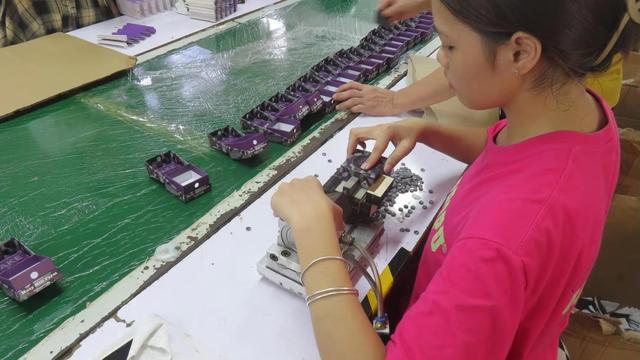
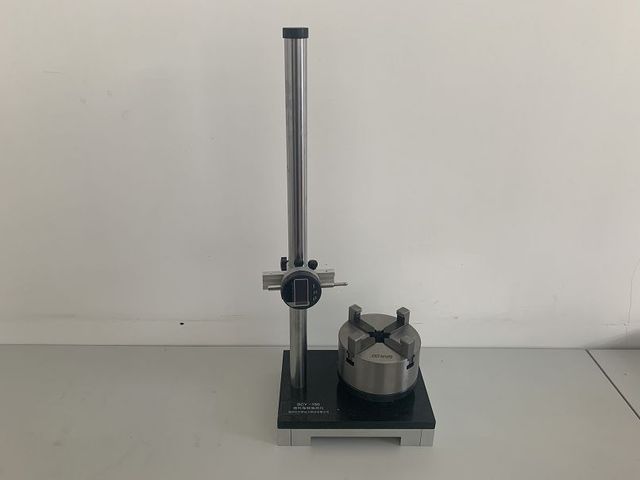
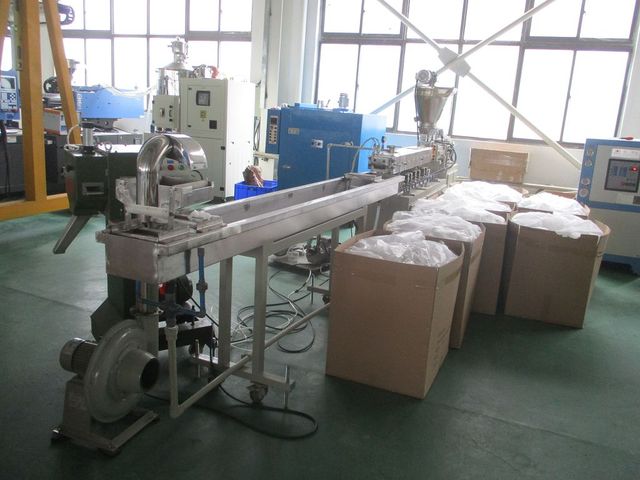
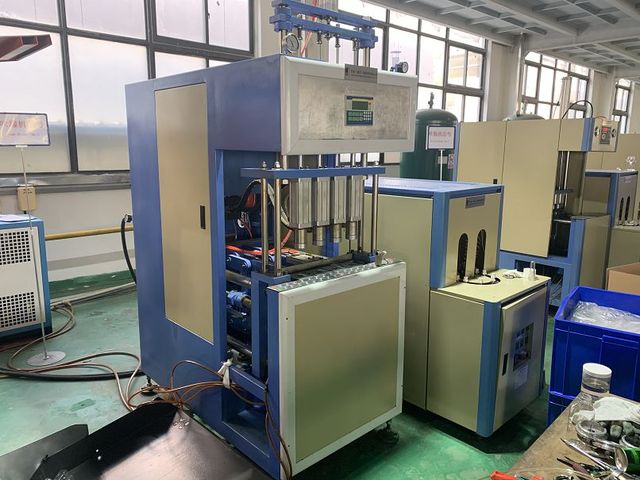
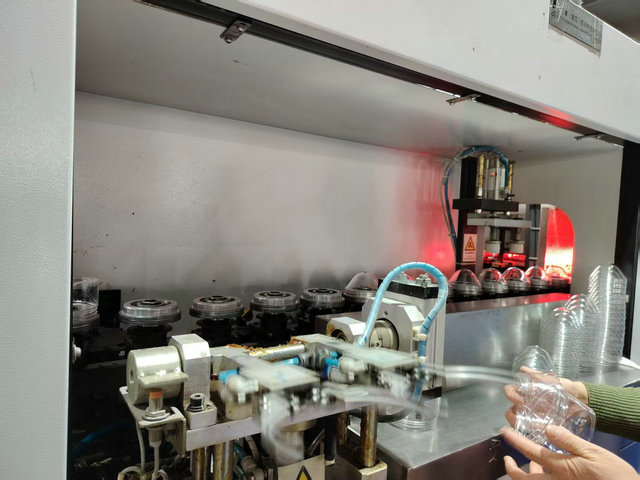
Integrating child safety with ecological responsibility is one of the biggest challenges in modern packaging design. Traditional CR structures require multi-material assemblies (e.g., polyacetal springs combined with polypropylene liners and caps), making them difficult to recycle. Our research and development focuses on overcoming these limitations:
Mono-Material Construction: We design squeeze-and-turn and press-and-pull structures using 100% Polypropylene (PP) or High-Density Polyethylene (HDPE). This ensures the entire assembly can be processed in standard recycling streams without manual disassembly.
Integration of PCR Materials: Post-consumer recycled plastic can show structural variation. Our advanced injection molding facilities regulate temperatures and pressure curves to handle up to 50% PCR material in safety closures, meeting regulatory drop-test standards and child panel tests without cracking.
The next generation of child-resistant packaging goes beyond mechanical locks. By integrating electronics and smart designs, we are developing and patenting several new systems:
Transitioning functional mechanical locking tabs from petrochemical plastics to robust, ocean-bound plastic and certified compostable polymers (PHA/PLA composites) that hold their tensile strength under repetitive stress.
Integrating near-field communication (NFC) chips within the safety collar. Users scan the package with a smartphone to log usage data and confirm authentication, adding digital security to physical safety.
Designing high-value clinical skincare and personal care packages with integrated electronic locks. These packages only unlock via a phone's fingerprint sensor or open at programmed intervals to prevent accidental ingestion or misuse.
Hangzhou Ariqa Fashion Co., Ltd. is a professional China skincare packaging manufacturer specializing in cosmetic containers, beauty packaging, and customized packaging solutions for skincare, personal care, and cosmetic brands worldwide. With a strong focus on innovation, quality, and brand presentation, we help businesses create packaging that enhances product value and strengthens market competitiveness.
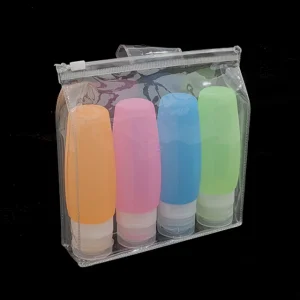
Our comprehensive product portfolio includes skincare packaging containers, cosmetic bottles, jars, airless packaging systems, lotion and serum packaging, beauty packaging accessories, travel-size packaging, and custom-designed packaging solutions. Serving both emerging brands and established global companies, we provide flexible packaging options tailored to different product formulations, branding requirements, and market positioning strategies.
At Ariqa Fashion, we understand that packaging plays a critical role in consumer purchasing decisions and brand recognition. Our experienced design and engineering teams work closely with customers to develop attractive, functional, and market-oriented packaging solutions. From concept development and structural design to decoration, labeling, printing, and final production, we provide complete packaging support throughout the product development process.
Our manufacturing operations are supported by advanced production equipment and strict quality management systems, ensuring consistent product quality, durability, and performance. We carefully select materials and production processes to meet international quality standards while supporting customers' sustainability goals through recyclable and environmentally conscious packaging options.
In addition to standard packaging products, we offer comprehensive OEM and ODM services, including custom molds, private label packaging, color matching, surface finishing, and branding solutions. Our flexible manufacturing capabilities enable us to accommodate both small-scale product launches and high-volume production requirements.
Serving clients across North America, Europe, Southeast Asia, the Middle East, and other international markets, Hangzhou Ariqa Fashion Co., Ltd. is committed to delivering innovative skincare packaging solutions, reliable service, competitive pricing, and long-term partnership value. Our mission is to help beauty and skincare brands succeed through premium packaging that combines aesthetics, functionality, and market appeal.
Review answers to key compliance, tooling, and manufacturing questions when importing Child-Resistant Packaging from China.
For the US, packaging must comply with the Consumer Product Safety Commission (CPSC) standards under 16 CFR § 1700.20. In Europe, the standard is EN ISO 8317 for reclosable packaging and ISO 14375 for non-reclosable packaging. We provide certified testing documentation for these markets.
The protocol tests a panel of 200 children (aged 42–51 months) and a senior panel of 100 adults (aged 50–70 years). The package must resist opening by at least 85% of children during a 10-minute test, while at least 90% of the senior panel must be able to open and close it correctly within 5 minutes.
Yes. We specialize in custom OEM/ODM designs. We adjust the bottle neck profile or outer box lock housing to fit your design while keeping the certified mechanical closure system unchanged, ensuring compliance without expensive recertification.
For standard shapes with customized colors or silk-screen prints, the MOQ starts at 10,000 units. For fully customized structures requiring new injection molds or tooling, the MOQ is generally 20,000 to 50,000 units depending on the design's complexity.
PCR resins can have different physical properties than virgin plastics. We use premium post-consumer recycled PP/PET, modify the mold gates, and adjust the cooling and cycle times during injection molding to keep the safety clips strong and prevent cracking.
We run vacuum leak tests (ASTM D3078 standard) up to -0.08 MPa. This ensures the valves, gaskets, and locking collars maintain a tight seal during high-altitude shipping and temperature changes.
Yes. We make rigid cardboard boxes child-resistant by integrating dual-release plastic buttons, hidden slide-locking panels, or magnetic closures. These designs must be pressed simultaneously with a slide motion to open, keeping them safe and eco-friendly.
High humidity can soften paperboard, which might weaken the alignment of locking buttons. To prevent this, we apply water-resistant coatings (such as matte/gloss lamination or protective varnishes) and use high-density greyboard to keep the structure rigid.
Standard products take 30 to 35 days for manufacturing. Custom molds require 25 to 30 days for design and fabrication, followed by another 30 days for mass production and quality assurance.
We sign strict Non-Disclosure Agreements (NDAs) before reviewing any drawings. All tooling is registered under the client's name, and custom molds are kept in secure, restricted zones to protect proprietary mechanical designs.
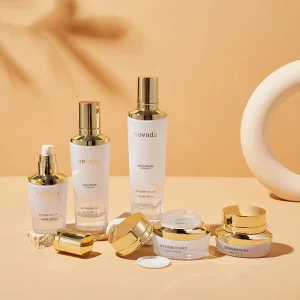
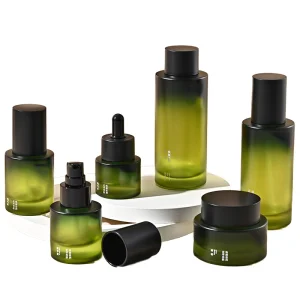
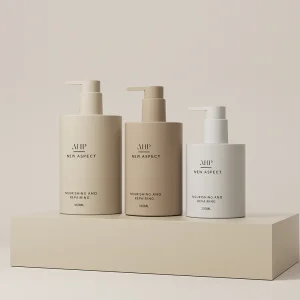
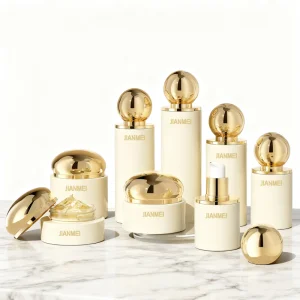
Explore more of our custom skincare bottle sets, travel-size glass droppers, luxury lotion pumps, and eco-friendly packaging options designed for global brands.
 Ariqa Fashion