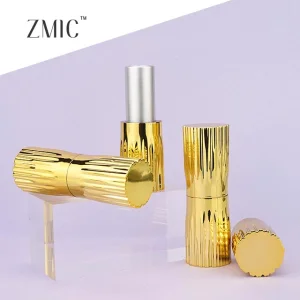
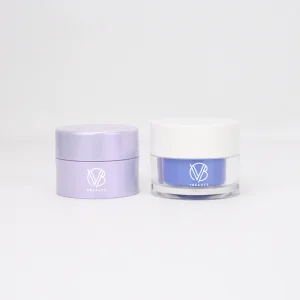
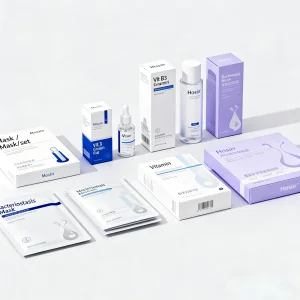
Explore our engineering-grade cosmetic bottles, jars, and specialized packaging systems engineered to preserve formula efficacy and enhance brand market value.
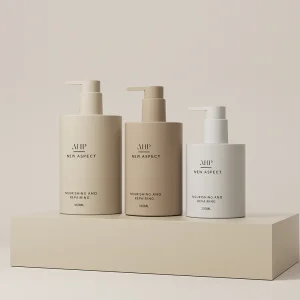
Analyzing global supply dynamics, cosmetic compatibility challenges, and the trajectory toward clean, functional industrial designs.
In the contemporary global beauty sector, packaging has transcended its traditional role as a mere storage container. Today, it serves as a critical technological element that dictates product freshness, shelf-life, active ingredient stability, and ultimate consumer perception. Hangzhou Ariqa Fashion Co., Ltd. is positioned at the intersection of aesthetic design and scientific packaging engineering. As a premier China skincare packaging manufacturer, we specialize in high-end cosmetic containers, airless pump technologies, and custom-designed luxury components optimized for international regulatory environments.
Modern topical formulas contain increasingly complex biological actives, including stabilized L-ascorbic acid, retinoids, peptides, and probiotic cultures. These ingredients demand strict barrier protection against atmospheric oxidation, ultraviolet exposure, and microbial contamination. The global market shift toward clean formulations—often lacking harsh synthetic preservatives—requires advanced container configurations, such as airless systems and medical-grade glass, to guarantee stability and prevent formula discoloration or breakdown over time.
We systematically select polymers (PP, PET, PMMA, PCTG) and heavy-metal-free glass to avoid chemical leaching, product migration, and structural degradation when exposed to complex formulations.
Our OEM/ODM pipeline uses state-of-the-art mold design, 3D prototyping, and structural testing to transform abstract branding concepts into production-ready physical components.
Our vacuum airless pumps feature 99.8% air evacuation efficiency, protecting oxygen-sensitive retinol and vitamin C formulations from oxidative breakdown and discoloration.
A B2B procurement framework evaluating international cost structures, lead times, and materials optimization.
The global cosmetic packaging market size is projected to reach over USD 45 billion by 2030, driven by premiumization in skincare and the rising demand for post-consumer recycled (PCR) containers. Procurement managers must balance design appeal with operational metrics. Securing high-quality cosmetic containers from a certified supplier in China provides brands with the cost flexibility required to scale, but it requires deep visibility into manufacturing timelines, compliance frameworks, and logistics channels.
| Material Type | Typical Applications | Chemical Compatibility | Sustainability Profile | Average Cost Index |
|---|---|---|---|---|
| PP (Polypropylene) | Lotion Pumps, Cream Jars, Caps | Excellent (Highly Resistant) | 100% Recyclable, PCR Available | Economical to Moderate |
| PET (Polyethylene Terephthalate) | Toner Bottles, Body Wash Containers | Good (Sensitivities to certain essential oils) | Highly Recyclable, PCR-PET widely used | Low to Moderate |
| PMMA (Acrylic) | Luxury Outer Jars, Double-wall Bottles | Moderate (Inner liner required) | Difficult to recycle | Premium |
| Soda-Lime Glass | Essence Dropper Bottles, Serum Vials | Outstanding (Inert barrier) | Infinite Recycling, Heavy-weight impact | Premium to Luxury |
| PCR (Post-Consumer Recycled) | Sustainable Skincare & Haircare ranges | Requires testing (Grade dependent) | Excellent circular economy alignment | Moderate to High |
The convergence of sustainable material science, digital supply chain tracking, and smart dispensing technologies.
Phasing out single-use plastics and transitioning to high-purity Post-Consumer Recycled (PCR) resins, bio-based ocean-bound plastics, and lightweight borosilicate glass to reduce global carbon footprints.
Engineering complex inner-pod replacement systems for premium double-wall jars and airless pump bottles, allowing consumers to reuse decorative outer cases indefinitely.
Integrating micro-dispensing tech, anti-counterfeiting NFC tags, and metal-free pump paths to maintain purity for clinical-grade formulations without preservative loads.
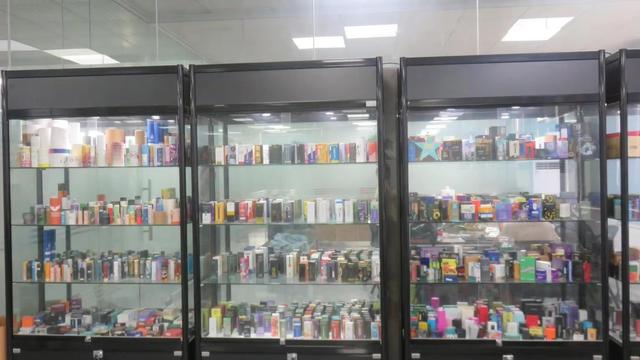
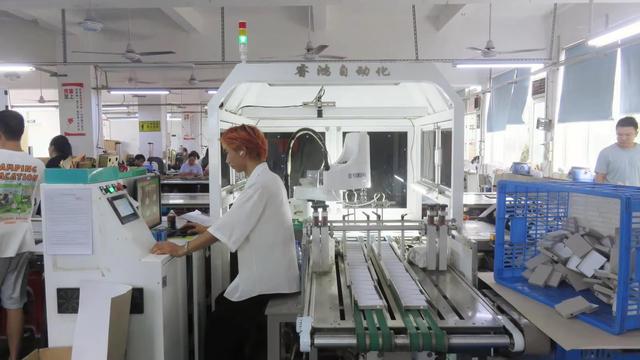
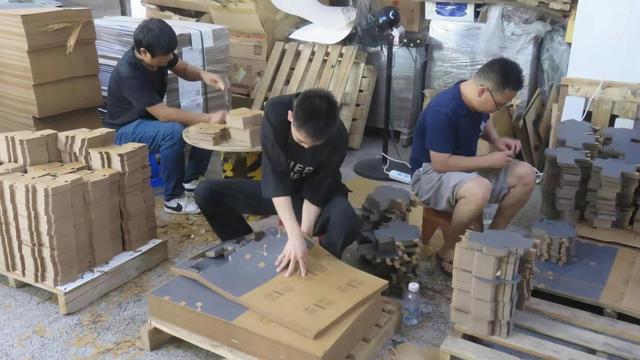
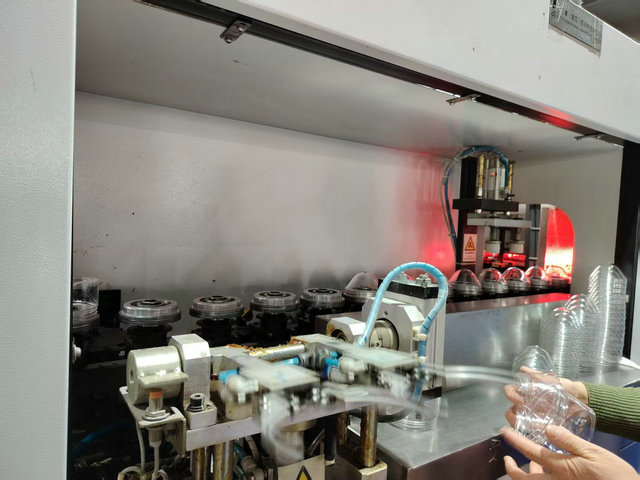
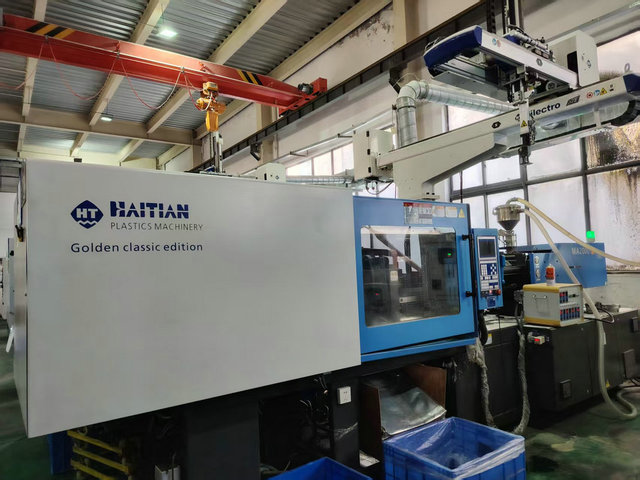
Inside Hangzhou Ariqa's production facilities—transforming raw resins and glass into certified global packaging solutions.
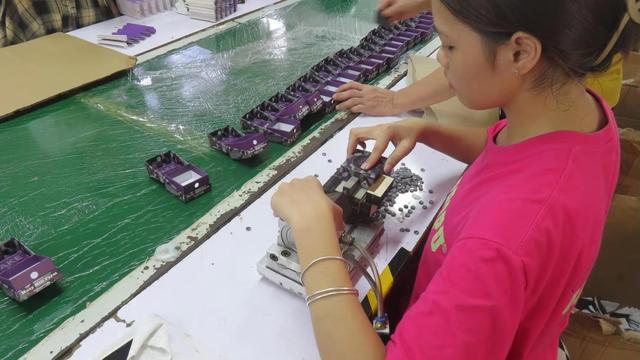
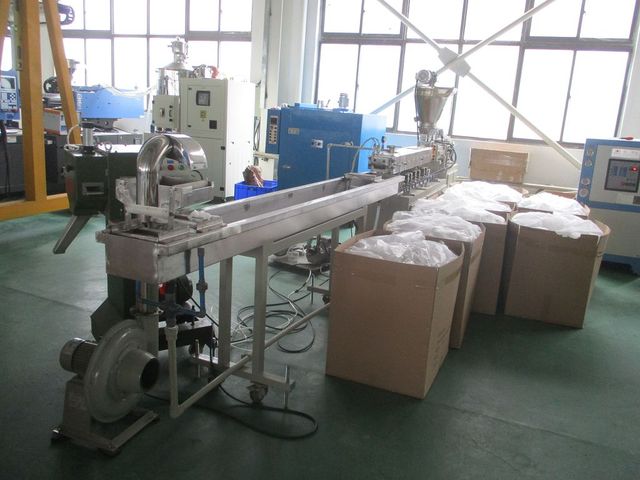
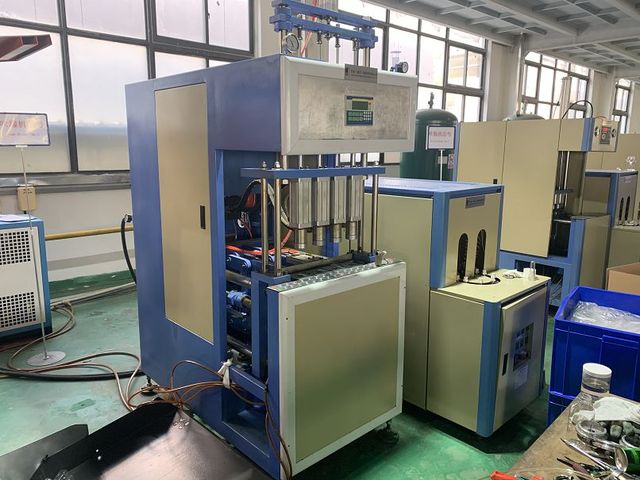
At Hangzhou Ariqa Fashion Co., Ltd., our production facility operates under strict ISO 9001 and ISO 14001 guidelines to maintain quality. Our manufacturing processes utilize automated injection molding, precision blow molding, and cleanroom environments for assembly. This setup minimizes particulate contamination, ensuring that the containers meet medical and skincare standards.
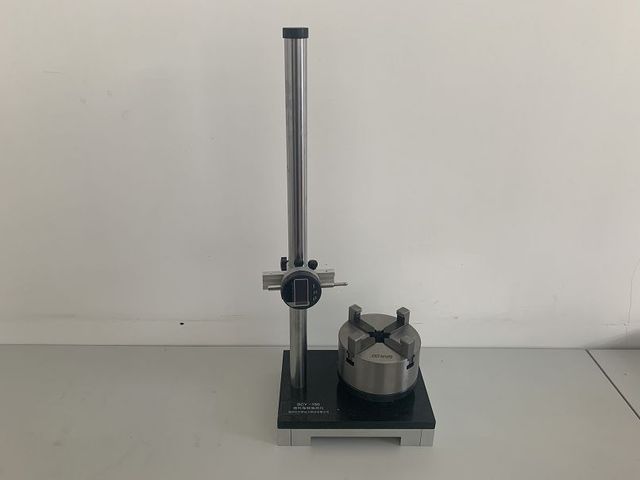
Our decorating departments offer diverse surface finishing solutions, including silk-screen printing, hot stamping, UV metallization, frosting, and custom color-matching. Our internal quality assurance teams run mechanical stress testing on every production batch to verify screw-cap torque limits, vacuum integrity, drop stability, and resistance to environmental stress cracking.
How global brands navigate regional safety regulations and design preferences for cosmetic packaging.
Global cosmetic markets differ in regulatory frameworks and design preferences. Brand managers must design packaging that matches regional consumer values and complies with safety standards, including FDA regulations in North America, REACH in Europe, and cosmetic safety standards in Asia.
In the US market, current trends focus on "clean beauty" and simplicity. Brands tend to use matte colors, single-material packaging for easy recycling, and clear labeling. Compliance with California's Proposition 65 and FDA guidelines on non-leaching plastic liners is critical for brands launching clinical skincare ranges.
The European market places high value on environmental responsibility and strict safety regulations. Under the European Commission Regulation (EC) No 1223/2009, all packaging components must undergo thorough safety reviews to ensure no harmful substances migrate into the product. Additionally, European consumers favor refillable glass jars and post-consumer recycled (PCR) plastics to minimize waste.
In East Asia, skin health is often viewed as a long-term priority, supporting a demand for complex, multi-step skincare routines. Packaging here emphasizes multi-layered barrier designs, airless dispensing containers, and premium visual accents like double-wall acrylics or frosted heavy glass to project value and preserve product freshness.
Addressing the critical engineering, logistical, and material questions asked by global sourcing professionals.
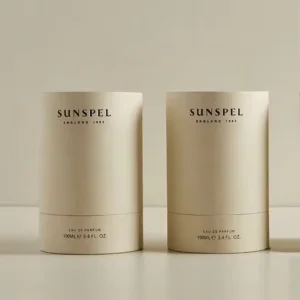
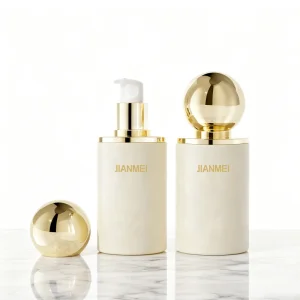
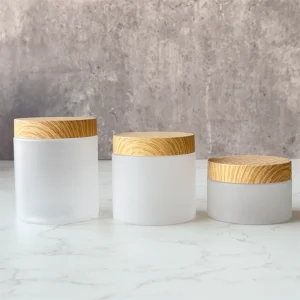
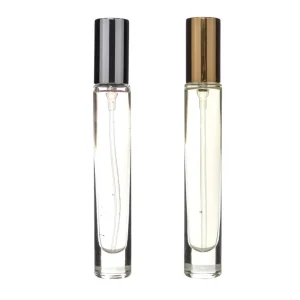
A broad selection of containers, packaging solutions, and accessories to complete your brand's product lines.
 Ariqa Fashion