High-performance primary and secondary packaging options engineered for compatibility, brand identity, and structural durability.
Unpacking the structural transition from linear, plastic-reliant containers to high-stability, circular glass vectors in global cosmetics supply chains.
The global cosmetics and high-end skincare sectors are undergoing a profound structural evolution. For decades, synthetic polymers were favored due to their short-term economic advantages. However, the rise of biologically active ingredients—ranging from highly volatile retinoids and clean-formula L-ascorbic acids to complex peptide matrices—has triggered an industrial pivot. Modern dermatological formulations demand packaging materials that guarantee absolute chemical inertness. This requirement has re-established glass as the premier vessel for premium cosmetics packaging.
From a macro-environmental perspective, global supply chains are heavily constrained by legislative pressures. The European Green Deal, California's Proposition 65, and rigid global microplastic bans are forcing multinational personal care conglomerates to phase out multi-layered plastic containers. In response, glass has emerged not merely as a sustainability choice, but as a strategic requirement. As a 100% infinitely recyclable material, glass eliminates the downcycling dilemma typical of plastics, aligning brand packaging architectures with Scope 3 decarbonization pathways.
Ensuring zero chemical interaction with active topical ingredients, preventing early degradation and maximizing product shelf life.
Eliminating plasticizers, bisphenols, and heavy metal ions from migrating into dermatologically tested emulsions.
Supporting clean, closed-loop waste management systems that appeal to ecologically conscious consumer groups globally.
A technical examination of hydrolytic resistance, chemical composition, and ultraviolet barrier protections.
Understanding the difference between raw materials is essential for choosing the right container. The majority of commercial cosmetic glass falls under USP Type III (soda-lime glass) or treated Type II glass. Where formulations feature extreme pH values or highly active organic molecules, Borosilicate (USP Type I) glass is deployed. Its low thermal expansion coefficient (approx. 3.3 × 10⁻⁶ K⁻¹) and high silica content protect the integrity of volatile products.
| Glass Classification | Primary Composition | Hydrolytic Resistance | Ideal Application Scenarios |
|---|---|---|---|
| USP Type I (Borosilicate) | Silica (~81%), Boron Trioxide (~13%) | Extremely High (Least reactive) | Acidic serums, organic oils, medical cosmetics |
| USP Type II (Treated Soda-Lime) | Silica (~72%), Soda (~15%), Lime (~9%) | High (Surface dealkalized) | Water-based serums, essential oils, high-pH lotions |
| USP Type III (Soda-Lime) | Silica (~72%), Calcium & Sodium Oxides | Moderate (Standard chemical resistance) | Creams, solid emulsions, dry powders |
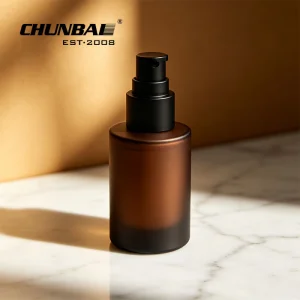
Equally critical to formula preservation is UV radiation management. Standard glass is transparent to ultraviolet light (UVA and UVB, wavelength 290–400 nm). If unprotected, compounds such as Retinol (Vitamin A) and Ascorbyl Palmitate (Vitamin C) undergo photolytic degradation. By incorporating transition metal oxides (like Iron and Cobalt) into the glass melt, we produce Frosted Amber, Cobalt Blue, and Violet glass. These colors absorb specific light frequencies, preserving the biological efficacy of the stored formulations.
How Hangzhou Ariqa Fashion Co., Ltd. translates abstract brand concepts into physical, high-tolerance packaging components.
Our OEM capabilities cover every stage of the design cycle, from conceptual CAD layouts to final mass-production run outputs. Using advanced Finite Element Analysis (FEA), our structural engineering teams model mechanical stresses, drop-impact vectors, and thermal shock resistance before fabricating molds. This process minimizes wall thickness variance and optimizes container weight-to-volume ratios, preventing defects during fast automated filling operations.
Cosmetic branding relies heavily on tactile and visual feedback. We provide a complete range of post-forming processing technologies. For example, our chemical acid-etching line creates a premium, fingerprint-resistant frosted texture. Our cleanroom-compliant spray coating lines apply water-based coatings, metallization, and internal lacquers. Precision detailing is added using multi-color silk-screening, ceramic printing, UV-cured digital printing, and hot stamping foil applications, ensuring all labels remain resistant to chemical friction and essential oils.
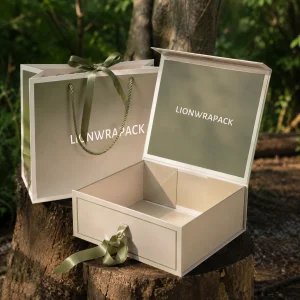
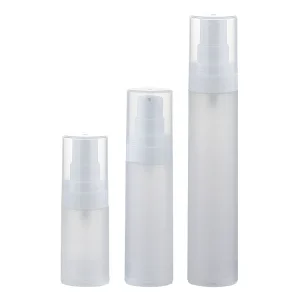
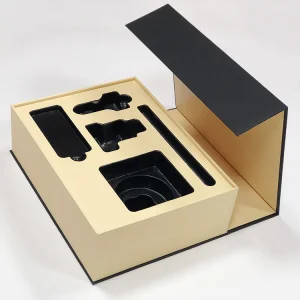
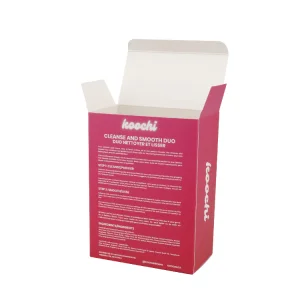
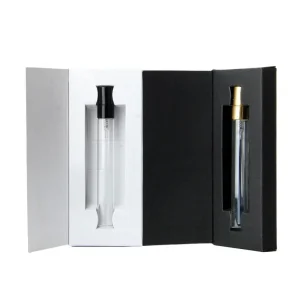
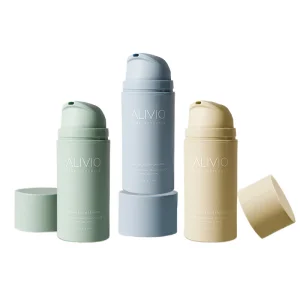
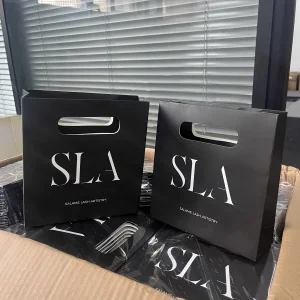
In addition to glass manufacturing, we integrate secondary packaging designs, including premium folding magnetic boxes, custom-printed paper bags, and matching PP/Acrylic pump systems. This allows brands to source complete, compatible primary and secondary packaging suites from a single supplier, reducing lead times and ensuring consistent color matching across different materials.
Enforcing strict standards to guarantee product safety, structural integrity, and frictionless global customs clearance.
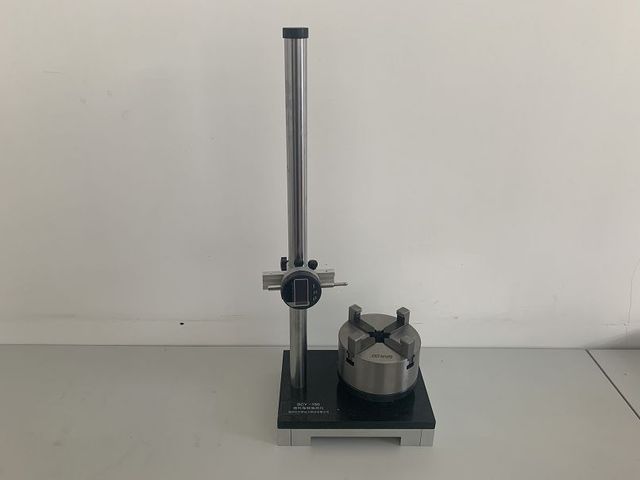
As a global OEM supplier, Hangzhou Ariqa Fashion Co., Ltd. maintains a robust quality management framework. Every production batch is subjected to strict testing to meet international market access conditions in regions such as the European Union, North America, and Southeast Asia. We test for heavy metal migration in line with ASTM and CONEG regulations, ensuring total levels of lead, cadmium, mercury, and hexavalent chromium fall well below 100 ppm.
1. Thermal Shock Tolerance: Samples are transferred from a hot bath (60°C) directly to a cold bath (15°C). The containers must show zero micro-cracking or structural failures under sudden temperature changes.
2. Vacuum Leakage Analysis: Assembled bottles and airless pump systems are placed in a vacuum chamber at -0.08 MPa for 30 minutes. This test guarantees that formulas will not leak during high-altitude air transit or temperature-driven pressure changes.
3. Alkaline Leaching Test: Glass containers are filled with high-purity water and autoclaved at 121°C for 60 minutes. The resulting solution is analyzed via titration to determine hydrolytic stability, confirming compliance with USP <660> guidelines.
Developing next-generation packaging through structural optimization, PCR glass integration, and bio-coatings.
The future of premium glass packaging relies on balancing luxury appeal with environmental performance. We are focused on three main research areas to reduce carbon footprints while maintaining container strength:
1. Glass Lightweighting (Narrow Neck Press and Blow): By optimizing glass distribution within the mold cavity, we can reduce container weight by up to 20% without reducing mechanical strength. This directly lowers raw material consumption and shipping-related carbon emissions.
2. Post-Consumer Recycled (PCR) Glass Integration: We are continuously increasing the proportion of PCR cullet in our melting furnaces. Using recycled glass lowers furnace temperatures, saving energy and reducing carbon emissions during manufacturing.
3. Biodegradable and Solvent-Free Coatings: We are moving away from traditional organic solvent-based paints in favor of water-based and UV-cured finishes. These alternatives eliminate volatile organic compound (VOC) emissions, helping our brand partners meet clean-air regulations.
Answers to common engineering, logistical, and material questions from procurement and packaging design teams.
A professional China skincare packaging manufacturer specializing in premium cosmetic containers, beauty packaging, and customized solutions.
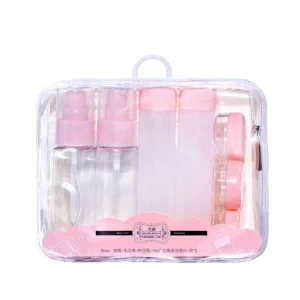
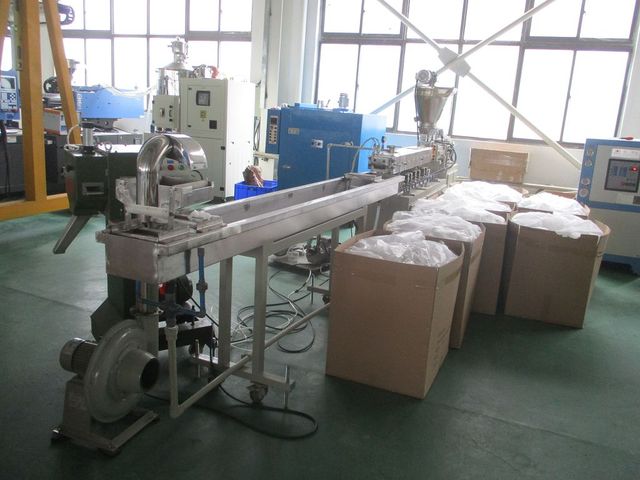
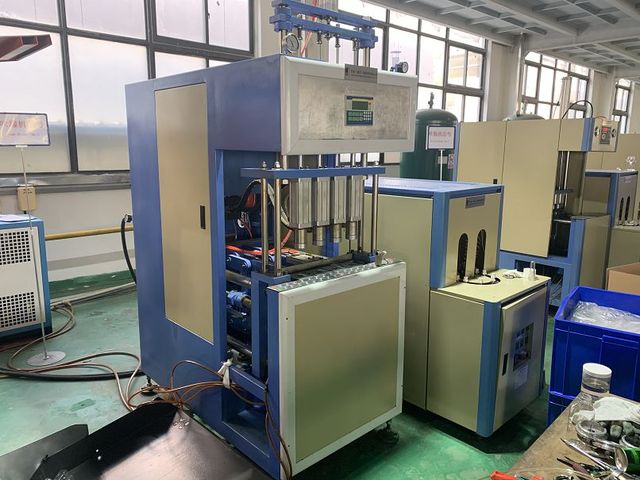
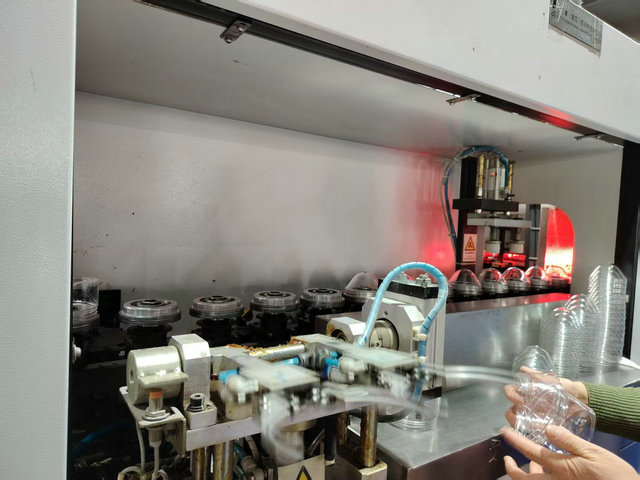
Hangzhou Ariqa Fashion Co., Ltd. serves emerging brands and established global cosmetics companies alike. Our product portfolio includes skincare packaging containers, cosmetic bottles, jars, airless packaging systems, lotion and serum packaging, beauty packaging accessories, travel-size containers, and custom paper packaging solutions. From concept development and structural design to surface decoration, labeling, and production, we support brands through every phase of the development lifecycle.
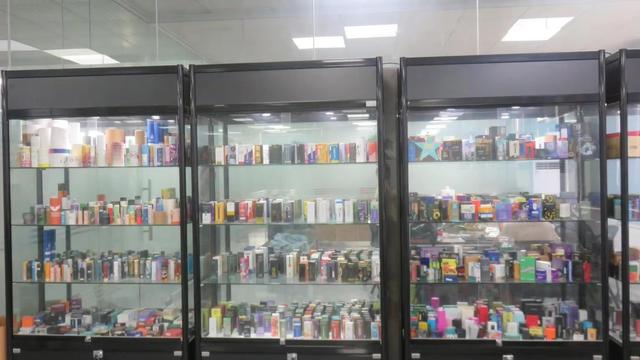
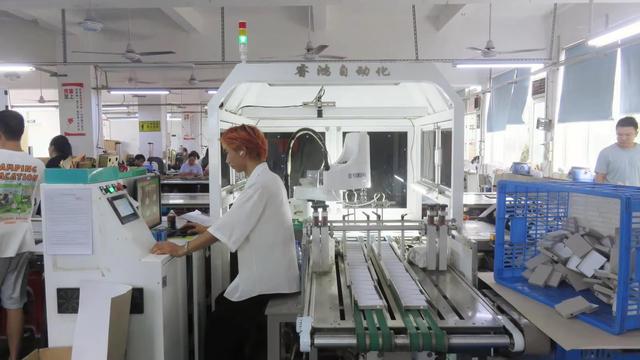
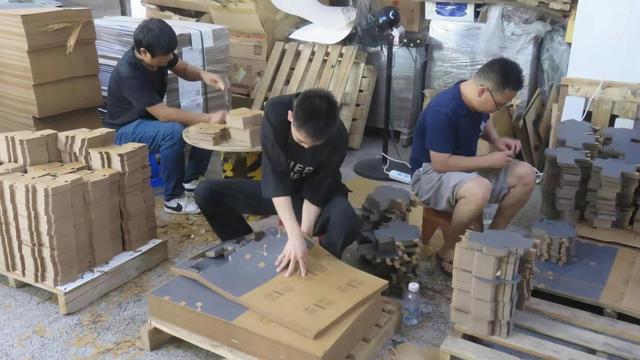
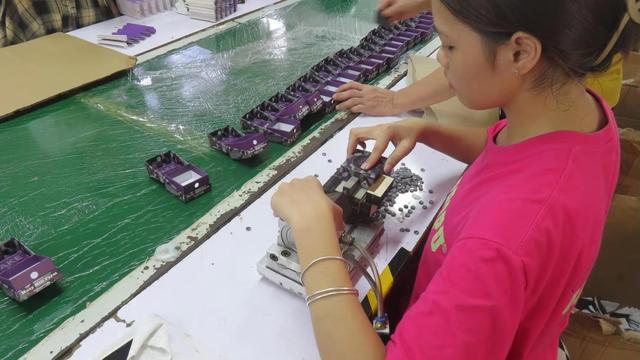
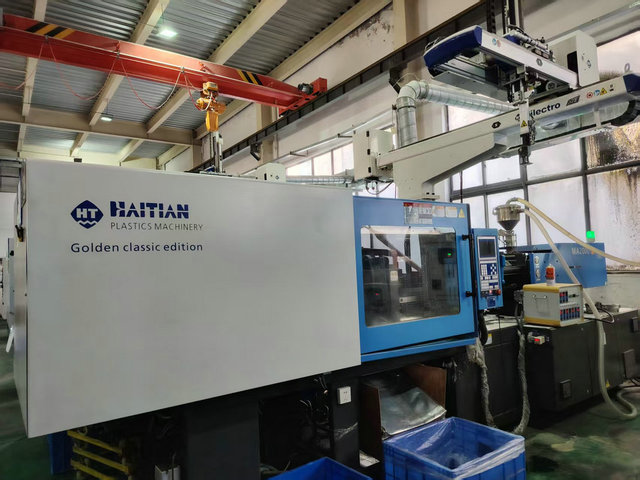
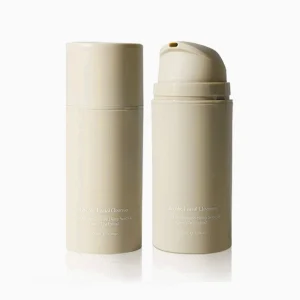
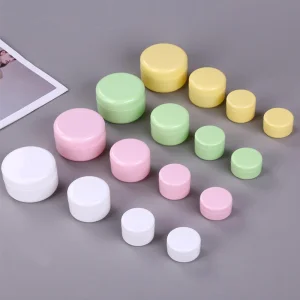
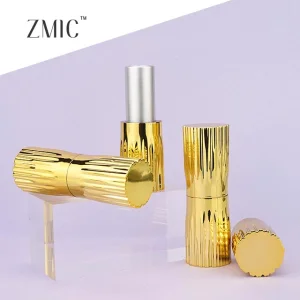
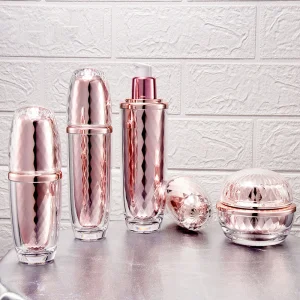
Browse our selection of matching cosmetic jars, airless lotion pumps, and luxury secondary packaging options.
 Ariqa Fashion